


| Working Hours: ≥hours |
| Year: |
| Brand: Products |
| Shipping: Bulk cargo / Container/Flat Rack |
Used Excavator Hydraulic Cylinder Inspection: Leaks, Rod Damage and Drift Tests
Why Choose Us
We have a strong mechanical team to ensure that all machines are well maintained, of high quality, and
100% original.
Spare parts are available, the most suitable for your machine.
We offer almost all types of second-hand construction machinery in good condition and at low prices.
Product Introduction
| Working Hours: ≥hours |
| Year: |
| Brand: Products |
| Shipping: Bulk cargo / Container/Flat Rack |
Why hydraulic cylinders need more than a leak check
Boom, arm and bucket cylinders work under changing load. A dry cylinder can still have internal bypass, while a wet cylinder may only need a wiper or seal diagnosis. Buyers should combine visual evidence, controlled movement and drift observations before estimating repair cost.
Start with a safe visual inspection
Park on firm, level ground, lower the attachment and follow the manufacturer's safety procedure. Inspect cylinder barrels, rod surfaces, gland areas, pins, bushings, hose connections and mounting welds. Never stand beneath a raised attachment or enter a crush zone.
Inspect the chrome rod surface
Move each cylinder through a safe range so different rod sections can be viewed. Look for scoring, pitting, rust, impact marks, bent appearance and damaged chrome. Wiping a rod clean can hide active oil, so observe it again after several cycles.
Locate external leakage accurately
Oil near a gland does not always identify the source. It may travel from a hose, fitting or valve above the cylinder. Clean only when safe, operate the function, then trace the first wet point. Photograph the area before and after testing.
Test movement and response
Warm the hydraulic oil before judging performance. Run boom raise, arm in and out, and bucket curl separately, then use controlled combined movements. Watch for hesitation, chatter, uneven speed, abnormal noise and a change in engine load.
Check drift under controlled conditions
Attachment movement after the controls return to neutral can involve cylinder seals, control valves, load-check valves, relief circuits or external leakage. Use the model-specific drift test, a consistent attachment position and a measured time interval. Keep everyone outside the machine's movement area.
Separate cylinder wear from pin play
Movement at the bucket or linkage may come from pins and bushings rather than the cylinder. Observe each joint while a qualified operator applies a small controlled load. Record the exact location of movement instead of describing the complete attachment as loose.
Do not diagnose from one symptom
A cylinder that feels weak may be affected by pump output, relief settings, valve leakage, low oil level or excessive system temperature. Compare multiple functions and combine the result with pressure and flow testing when required.
Buyer evidence checklist
Full-length photos of each barrel and visible rod surface.
Close-ups of glands, hose joints, pins and mounting areas.
Continuous video of individual and combined movements.
A documented drift test performed under safe conditions.
Written details of any promised seal, rod or cylinder repair.
Combine cylinder findings with the full machine inspection
Review our used excavator inspection checklist, hydraulic pump inspection guide and engine inspection guide. Current machines can be reviewed in our used excavator inventory.
For detailed photos, operating videos and export enquiries, contact YCHS Machinery on WhatsApp: +8618017348066 or +8615300859658.
Use qualified personnel and model-specific service information for testing, maintenance and repair.
Tags:
related products
-
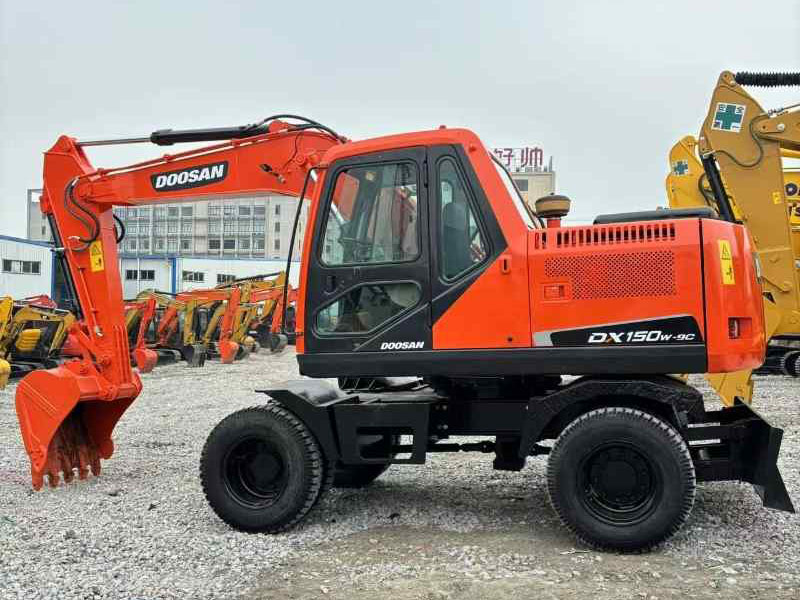
-
Fob Price
25,000$/Unit
-
Min. Order
1 Unit
-
-
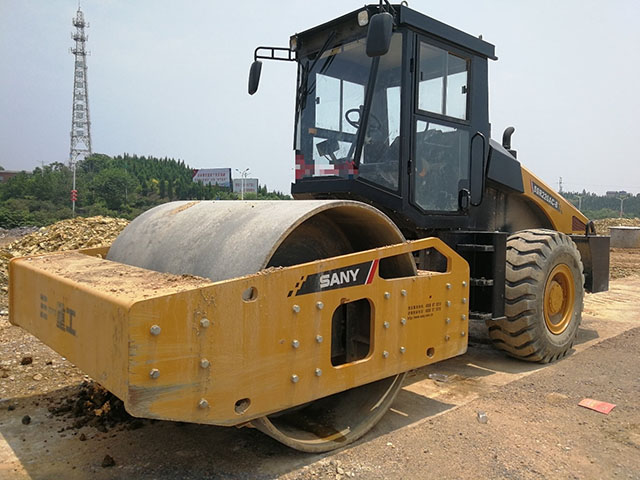
-
Fob Price
20,000$/Unit
-
Min. Order
1 Unit
-
-
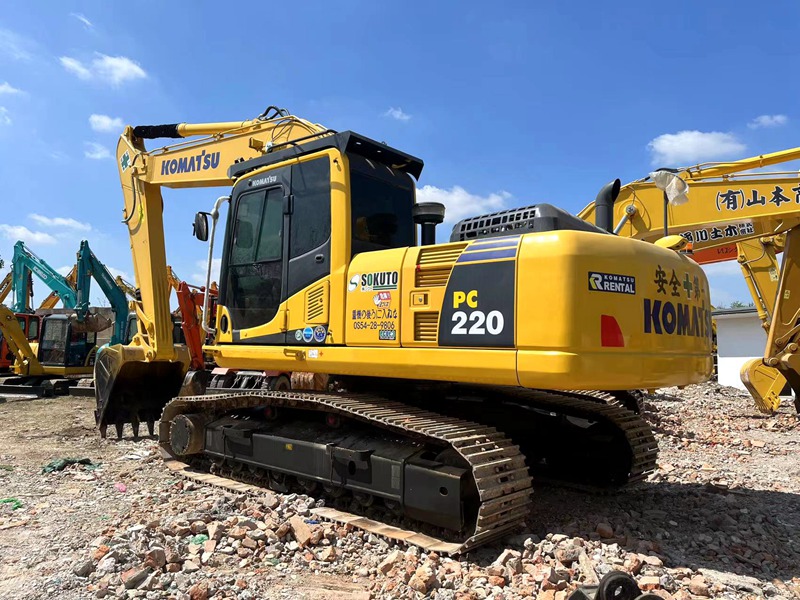
-
Fob Price
32,000$/Unit
-
Min. Order
1 Unit
-
-
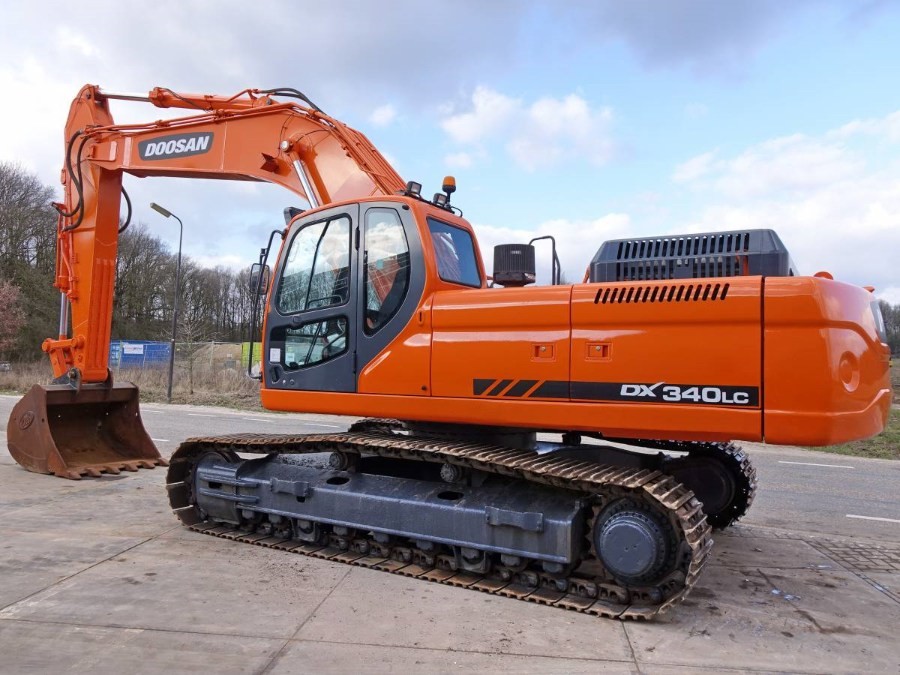
-
Fob Price
38,000$/Unit
-
Min. Order
1 Unit
-
-
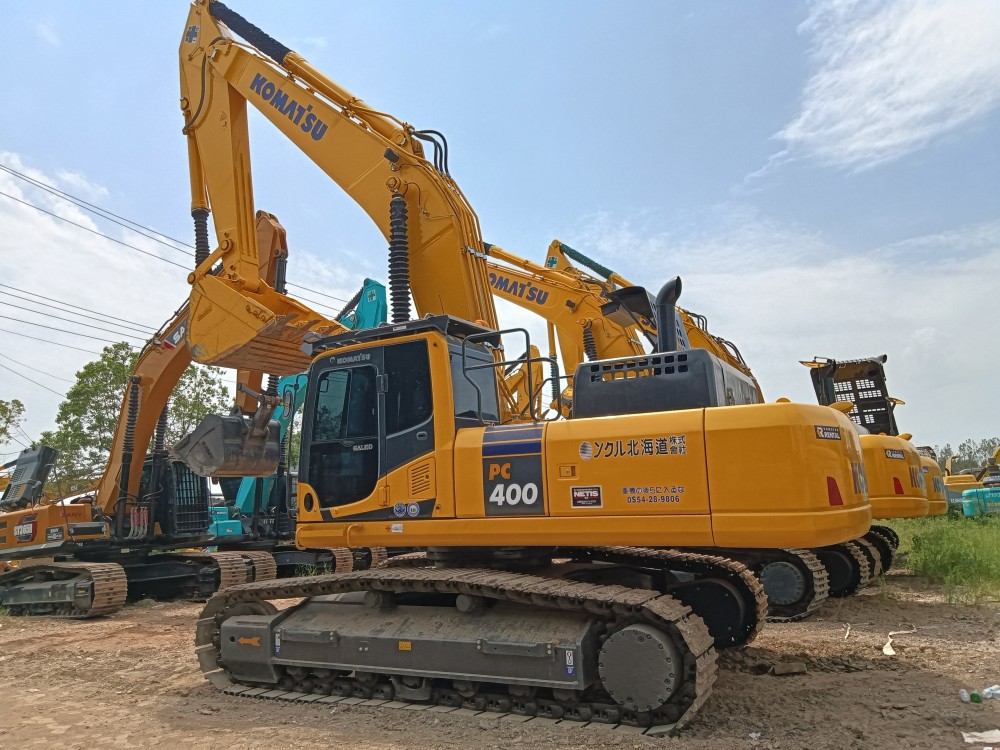
-
Fob Price
53,000$/Unit
-
Min. Order
1 Unit
-
-
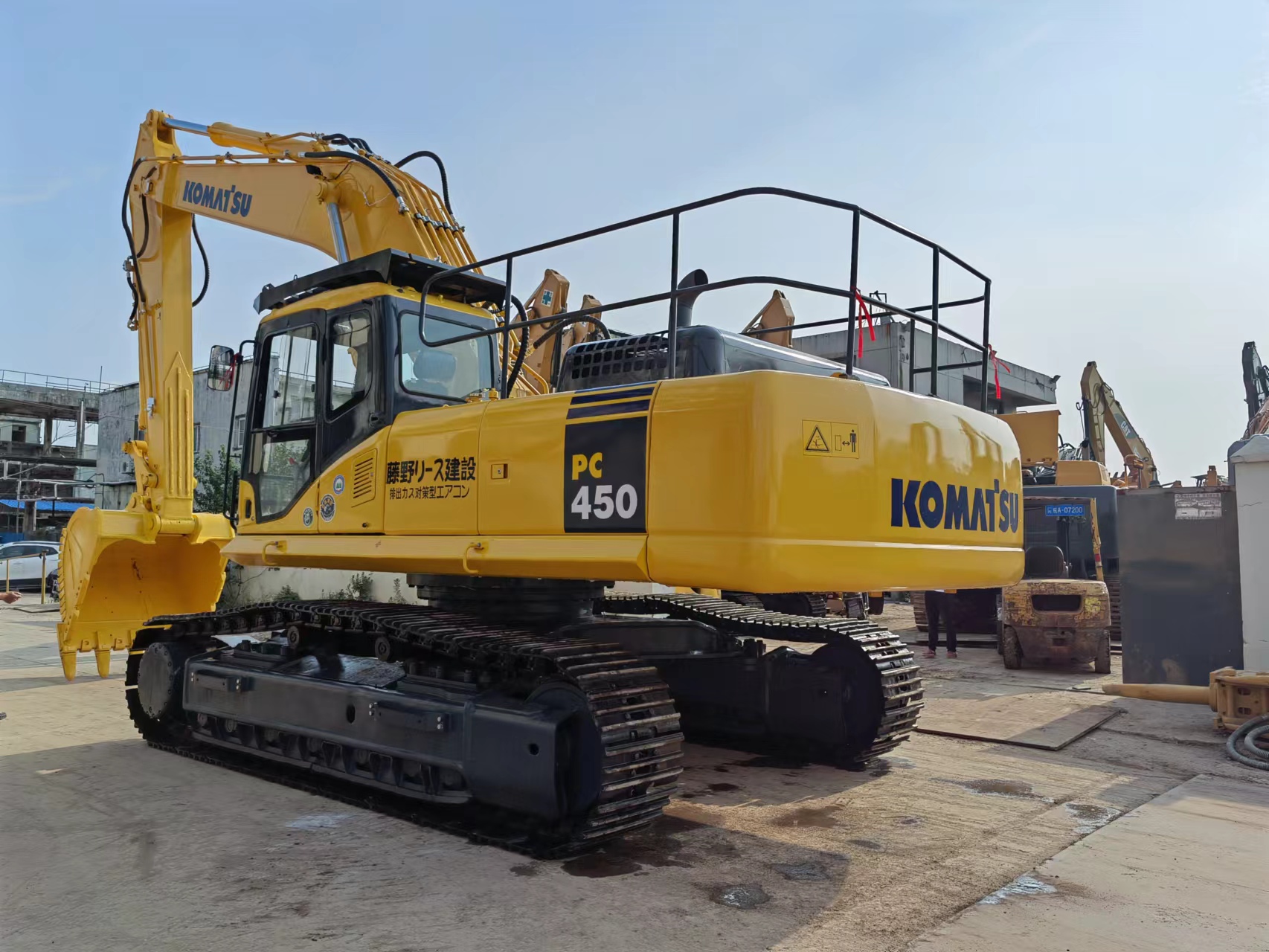
-
Fob Price
58,000$/Unit
-
Min. Order
1 Unit
-
-
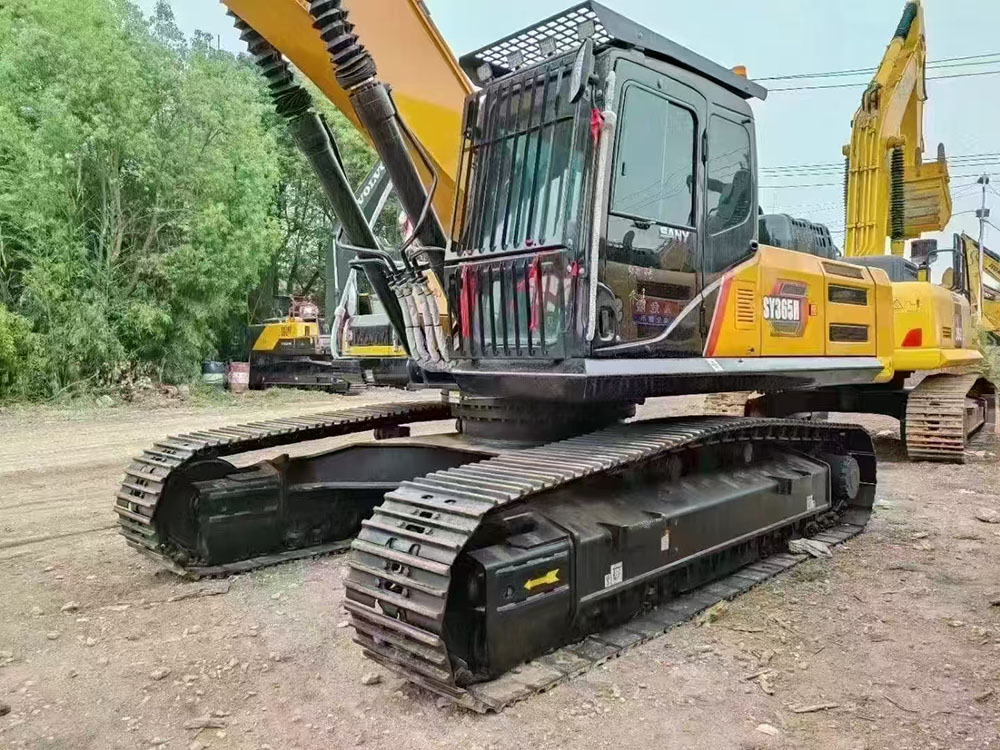
-
Fob Price
38,000$/Unit
-
Min. Order
1 Unit
-
-
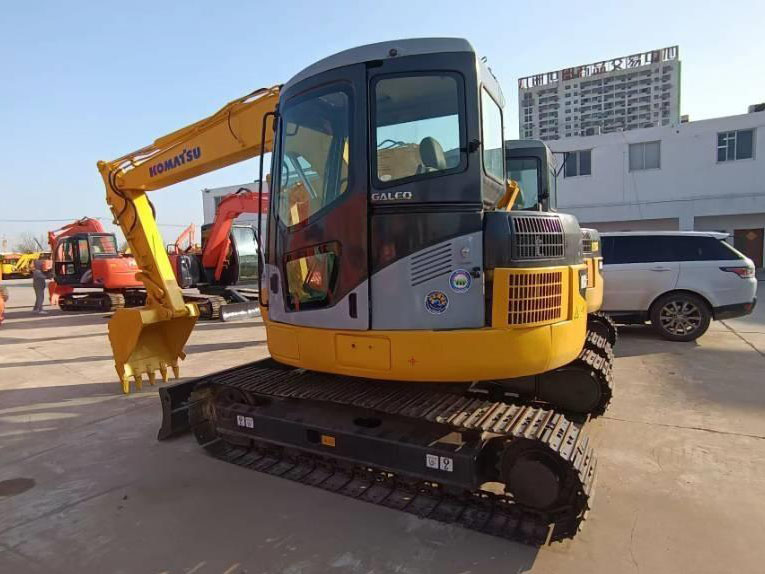
-
Fob Price
14,500$/Unit
-
Min. Order
1 Unit
-
-
-
Fob Price
20,000$/Unit
-
Min. Order
1 Unit
-
-
-
Fob Price
22,000$/Unit
-
Min. Order
1 Unit
-
Leave Us A Message