


| Working Hours: ≥hours |
| Year: |
| Brand: Products |
| Shipping: Bulk cargo / Container/Flat Rack |
Used Excavator Electrical System Inspection: Battery, Alternator and Fault Codes
Why Choose Us
We have a strong mechanical team to ensure that all machines are well maintained, of high quality, and
100% original.
Spare parts are available, the most suitable for your machine.
We offer almost all types of second-hand construction machinery in good condition and at low prices.
Product Introduction
| Working Hours: ≥hours |
| Year: |
| Brand: Products |
| Shipping: Bulk cargo / Container/Flat Rack |
Why electrical checks matter
Modern excavators depend on stable voltage and reliable signals for starting, engine control, hydraulic control, monitoring and safety functions. A machine may run during a short viewing yet still have weak batteries, intermittent wiring faults or recently cleared diagnostic codes. A structured inspection reduces that risk.
Begin with the battery and starting circuit
Before starting, inspect battery cases, terminals, hold-downs and cables. Look for swelling, corrosion, loose connections, damaged insulation and improvised repairs. Record the resting voltage only after the machine has been switched off long enough for the reading to settle. During a cold start, watch for slow cranking, relay chatter or a large voltage drop. Test according to the manufacturer's procedure because acceptable values vary by system and temperature.
Check alternator output
Measure charging voltage at idle and at a higher engine speed with normal electrical loads switched on. The reading should remain stable and appropriate for the machine's system. A warning lamp that stays on, fluctuating lights or voltage that changes sharply can indicate alternator, regulator, belt, cable or grounding problems. Do not condemn one component until connections and belt condition have also been checked.
Inspect wiring and connectors
Follow visible harnesses around the engine, pumps, boom base, cab and battery compartment. Pay attention to areas exposed to heat, vibration, oil and repeated movement. Red flags include bare copper, melted insulation, household-style connectors, twisted wires, missing clips and multiple unmatched repairs. Disconnect plugs only when permitted and safe; damaged seals can allow moisture to create intermittent faults.
Test controls, displays and safety devices
Operate the monitor, work lights, wipers, horn, camera, air conditioning controls and available attachment switches. Confirm gauges respond normally and warning lamps complete their self-check. Test safety lock levers, travel alarms and emergency controls using the correct procedure. A bypassed interlock is a safety concern, not a convenience.
Read active and stored fault codes
Use the machine's monitor or a compatible diagnostic tool to record active and logged codes before clearing anything. Note the code, occurrence count, operating hours and status. A historical code is not automatic proof of a current defect, but repeated or recently active codes deserve diagnosis. Compare dashboard hours with available controller records and service documents; investigate meaningful differences.
Perform a warm operating test
Electrical faults often appear after heat and vibration build. Run the machine through normal functions, then check whether the monitor resets, gauges fluctuate or warning messages return. Restart the engine when safe. Observe whether starting performance changes when warm and whether accessories affect idle stability.
Evidence to request before buying
- Cold-start video showing the monitor and exhaust.
- Photos of batteries, terminals, fuse boxes and repaired harness areas.
- A diagnostic screen or report listing active and stored codes.
- Charging-system readings with normal loads operating.
- Written confirmation of any repair included before shipment.
Use electrical findings as part of a complete inspection
Combine these checks with our used excavator inspection checklist and engine inspection guide. You can also review current used Caterpillar excavators and used Komatsu excavators.
For machine-specific photos, operating videos and export enquiries, contact YCHS Machinery.
Electrical testing should be performed by qualified personnel using model-specific service information.
Tags:
used excavator electrical inspection excavator battery test excavator fault codesrelated products
-
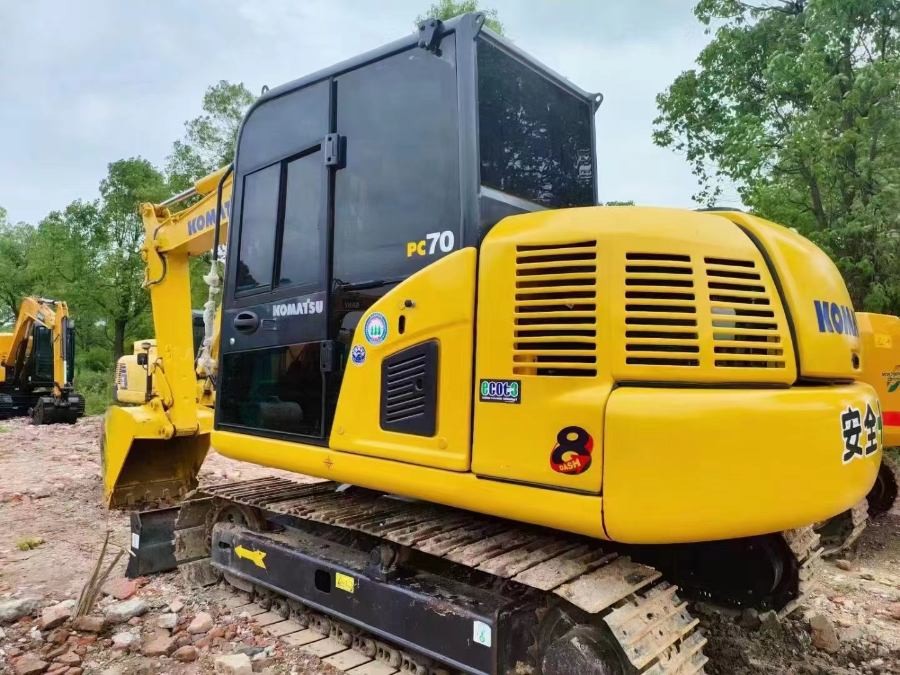
-
Fob Price
18,000$/Unit
-
Min. Order
1 Unit
-
-
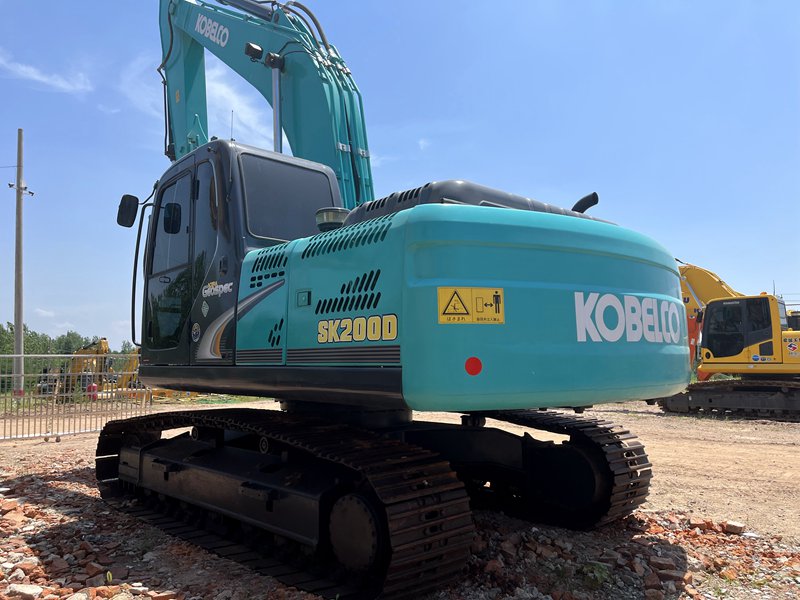
-
Fob Price
26,600$/Unit
-
Min. Order
1 Unit
-
-
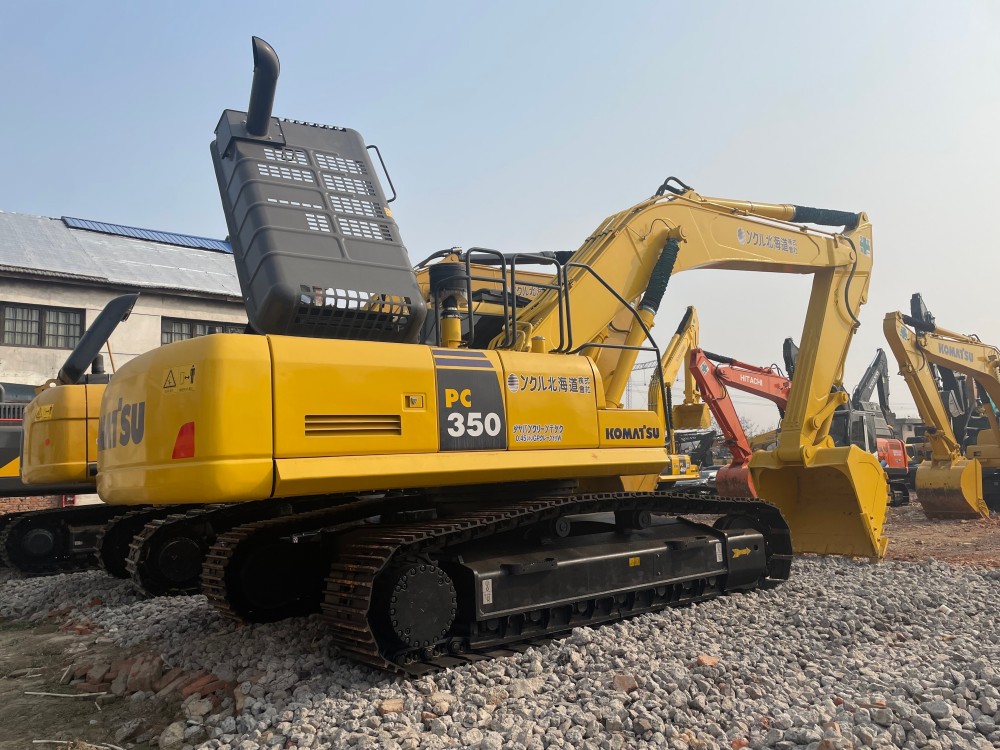
-
Fob Price
41,000$/Unit
-
Min. Order
1 Unit
-
-
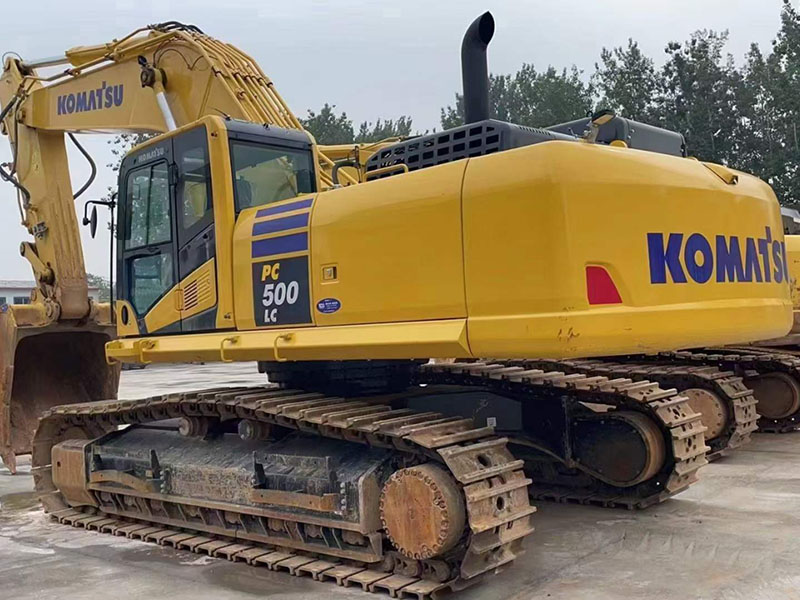
-
Fob Price
130,000$/Unit
-
Min. Order
1 Unit
-
-
-
Fob Price
21,000$/Unit
-
Min. Order
1 Unit
-
-
-
Fob Price
28,800$/Unit
-
Min. Order
1 Unit
-
-
-
Fob Price
25,000$/Unit
-
Min. Order
1 Unit
-
-
-
Fob Price
23,000$/Unit
-
Min. Order
1 Unit
-
-
-
Fob Price
42,000$/Unit
-
Min. Order
1 Unit
-
-
-
Fob Price
24,000$/Unit
-
Min. Order
1 Unit
-
Leave Us A Message