


| Working Hours: ≥hours |
| Year: |
| Brand: Products |
| Shipping: Bulk cargo / Container/Flat Rack |
Used Excavator Engine Inspection: Blow-By, Smoke and Cold-Start Checks
Why Choose Us
We have a strong mechanical team to ensure that all machines are well maintained, of high quality, and
100% original.
Spare parts are available, the most suitable for your machine.
We offer almost all types of second-hand construction machinery in good condition and at low prices.
Product Introduction
| Working Hours: ≥hours |
| Year: |
| Brand: Products |
| Shipping: Bulk cargo / Container/Flat Rack |
Why cold-start evidence matters
A warm engine can hide difficult starting, weak batteries, fuel-system faults and some smoke symptoms. Ask the seller not to start the excavator before inspection. Confirm the engine is cold by carefully checking surrounding metal and coolant temperature using a safe method.
Inspect before starting
Before turning the key, look beneath the machine and around the engine compartment for oil, fuel and coolant leaks. Check fluid levels, hose condition, clamps, belts, wiring and signs of recent cleaning or repair. Fresh paint and a clean engine are not faults, but they should not replace service records or operating evidence.
Observe the first start
Record the complete start without editing. Note cranking time, whether the engine starts without repeated attempts, warning lights, unusual knocking and how quickly idle becomes stable. Ambient temperature affects starting behavior, so include it in the inspection record.
Read exhaust smoke as a clue
Smoke color alone is not a diagnosis. Persistent blue smoke can indicate oil entering the combustion process. Heavy black smoke may relate to excess fuel, restricted air flow or high load. White smoke can involve unburned fuel, low temperature or coolant-related issues. Record duration, engine temperature and load, then have a qualified technician investigate the cause.
Check blow-by safely
Some crankcase vapor can be normal, especially under certain temperatures and loads. Excess pressure, strong pulsing, heavy oil mist or oil being pushed from the breather deserves further testing. Use the model-specific inspection method and keep hands, face, clothing and tools away from rotating or hot components. Do not remove caps from a hot or pressurized system.
Compare idle and loaded operation
Once normal operating temperature is reached, listen at low and higher idle and observe response while hydraulic functions are used safely. Hunting speed, misfire, abnormal vibration, power loss or overheating may involve the engine, fuel and air systems, cooling system or excessive hydraulic load.
Inspect the cooling system
Check the radiator and coolers for blockage, damaged fins and leaks. Inspect hoses and the visible coolant condition only when the system is safe to open. Oil in coolant, coolant in engine oil or repeated overheating requires professional diagnosis before purchase.
Separate engine symptoms from hydraulic load
An engine that slows during boom, travel or swing operation is not automatically worn out. Restricted fuel or air flow, incorrect relief pressure and hydraulic pump or valve faults can create similar symptoms. Test functions individually and combine engine observations with hydraulic measurements.
Build a useful inspection record
Continuous video from cold start through warm operation.
Photos of fluid condition, leaks, hoses, belts and cooling cores.
Smoke observations at start, idle and controlled load.
Any dashboard warnings and available maintenance documents.
Written details of repairs, included parts and pre-shipment testing.
Use several checks before making a decision
Combine engine findings with the complete used excavator inspection checklist, our hydraulic pump inspection guide and the swing bearing inspection guide. Buyers can also review our used excavator inventory.
For machine details, inspection videos and export enquiries, contact YCHS Machinery on WhatsApp: +8618017348066 or +8615300859658.
Always follow model-specific service information and use qualified personnel for testing, maintenance or repair.
Tags:
related products
-
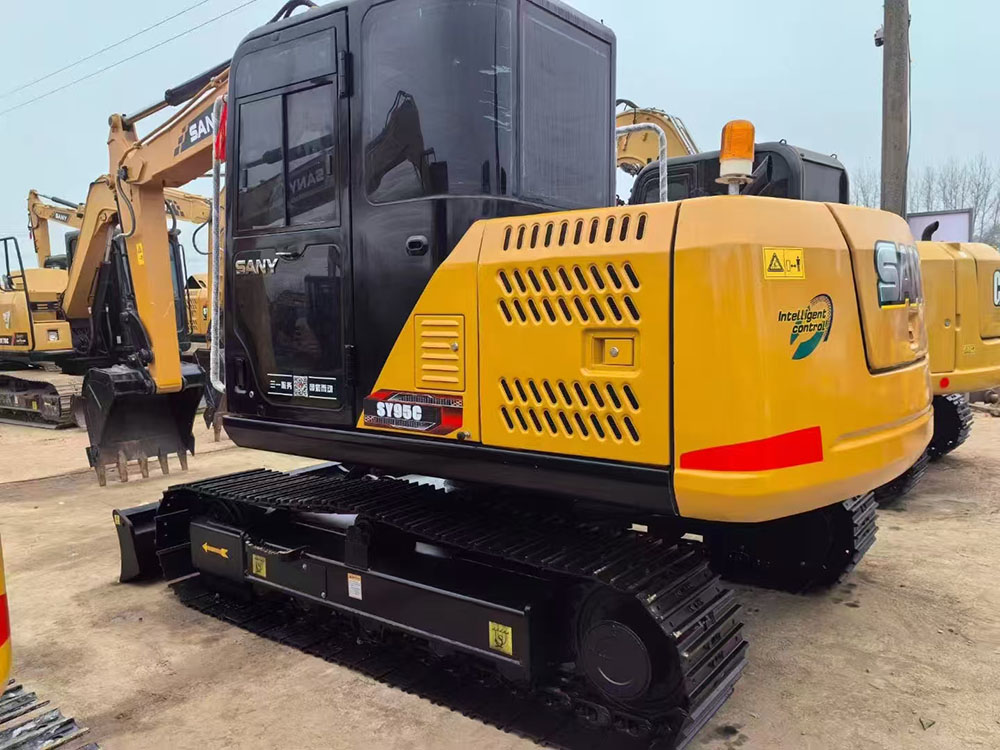
-
Fob Price
17,000$/Unit
-
Min. Order
1 Unit
-
-
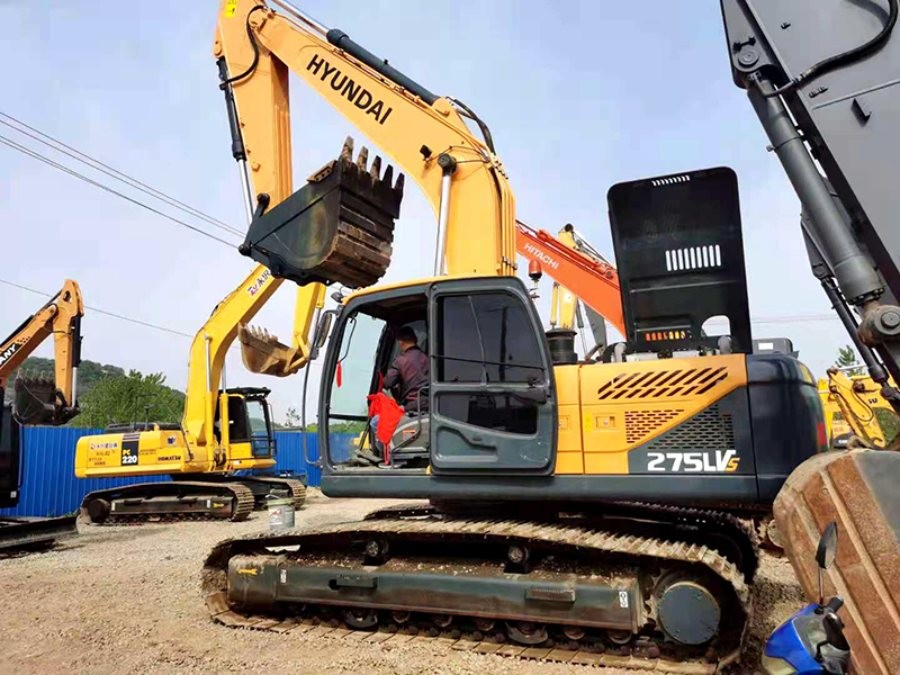
-
Fob Price
29,000$/Unit
-
Min. Order
1 Unit
-
-
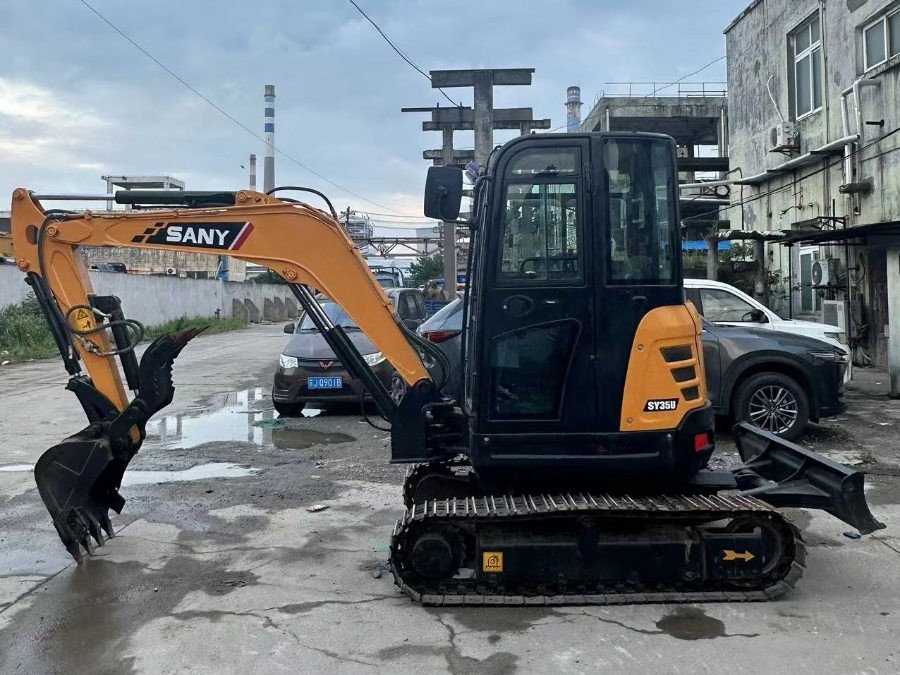
-
Fob Price
11,000$/Unit
-
Min. Order
1 Unit
-
-
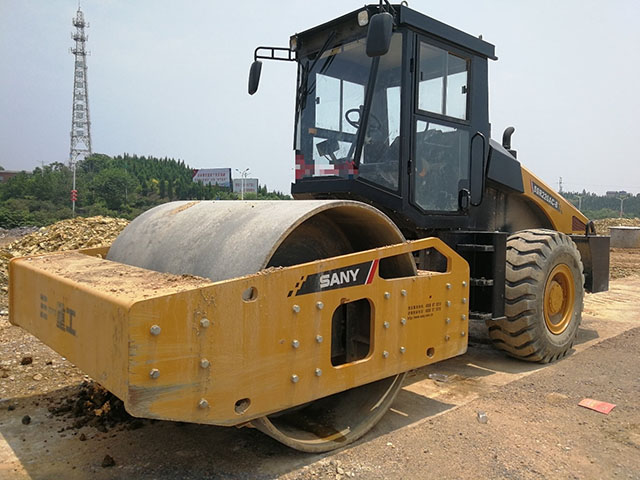
-
Fob Price
20,000$/Unit
-
Min. Order
1 Unit
-
-
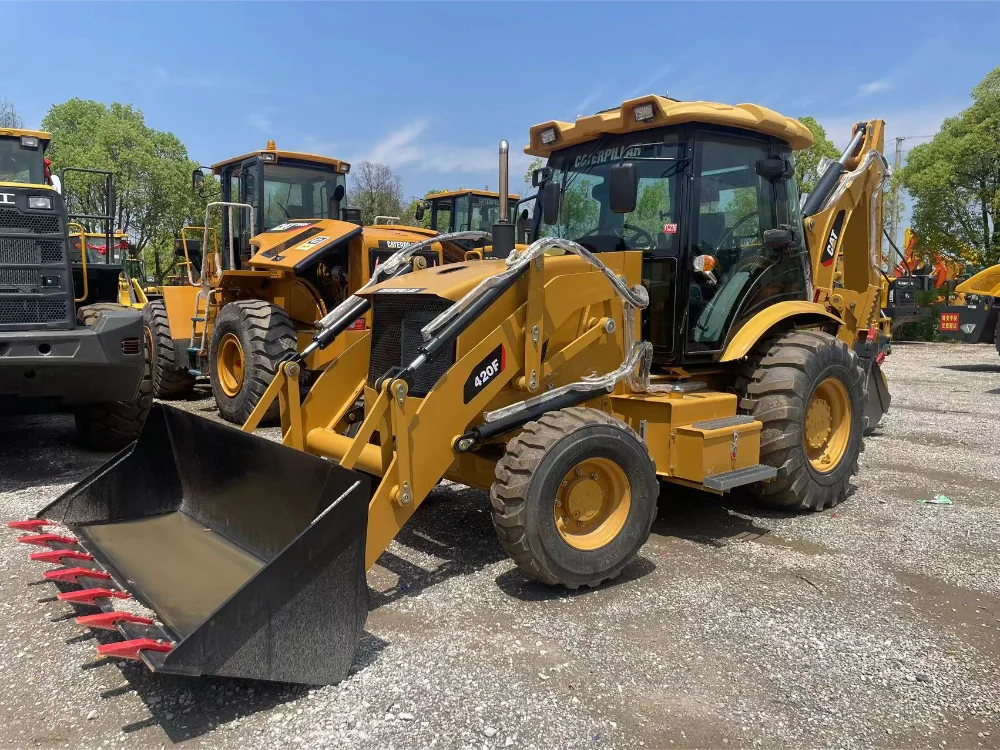
-
Fob Price
26,000$/Unit
-
Min. Order
1 Unit
-
-
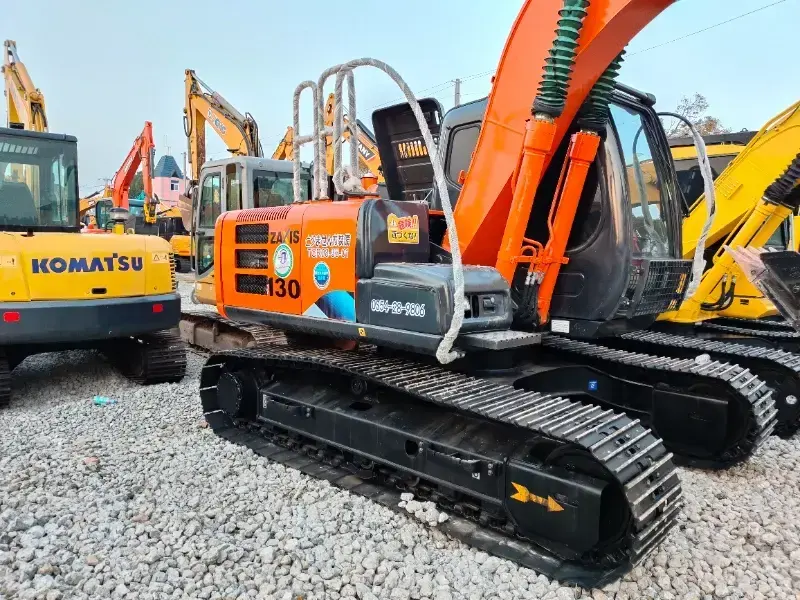
-
Fob Price
23,000$/Unit
-
Min. Order
1 Unit
-
-
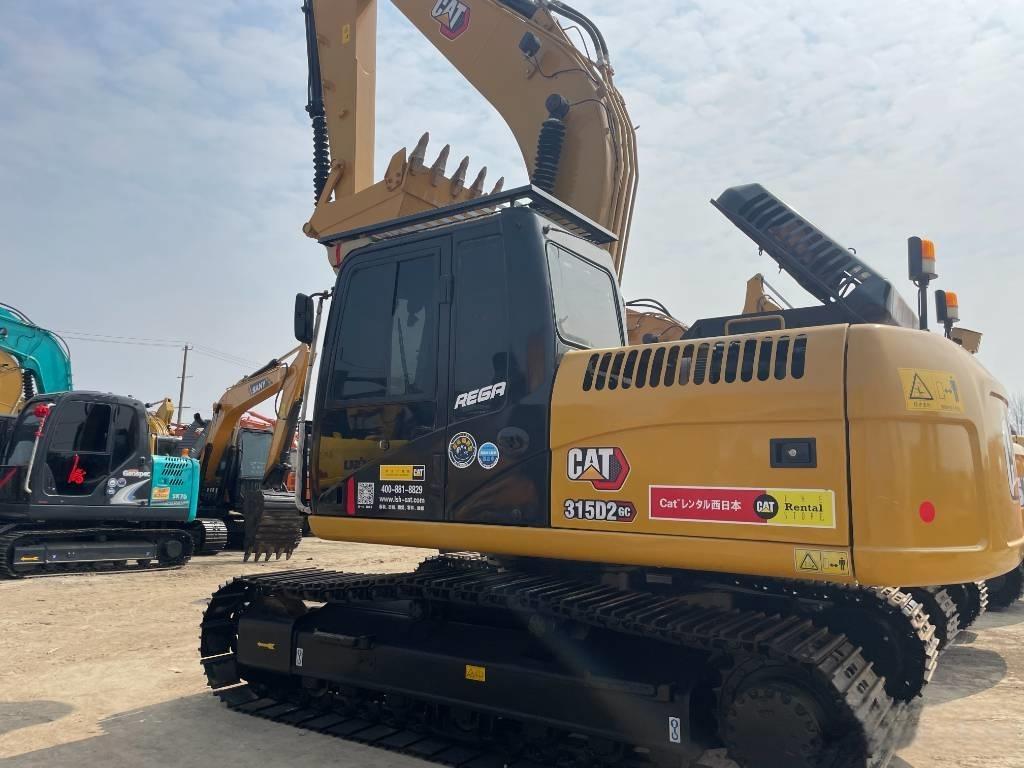
-
Fob Price
25,000$/Unit
-
Min. Order
1 Unit
-
-
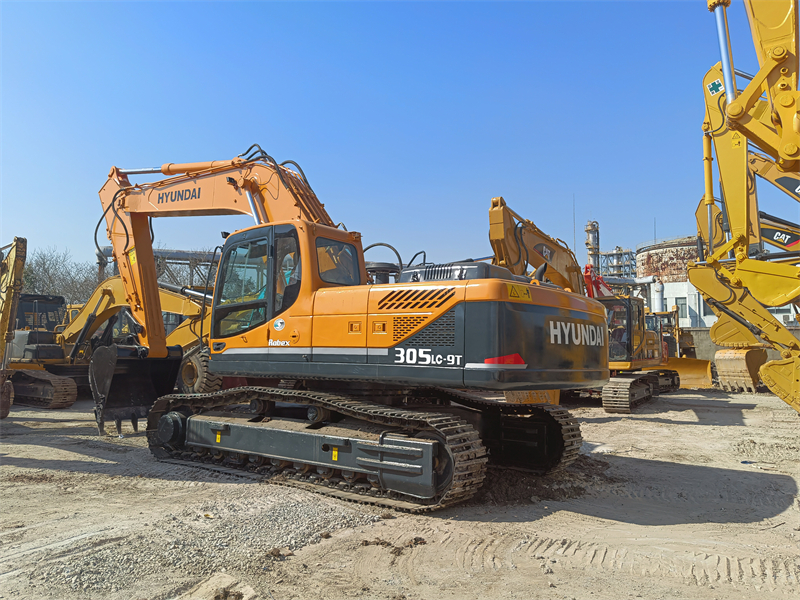
-
Fob Price
30,000$/Unit
-
Min. Order
1 Unit
-
-
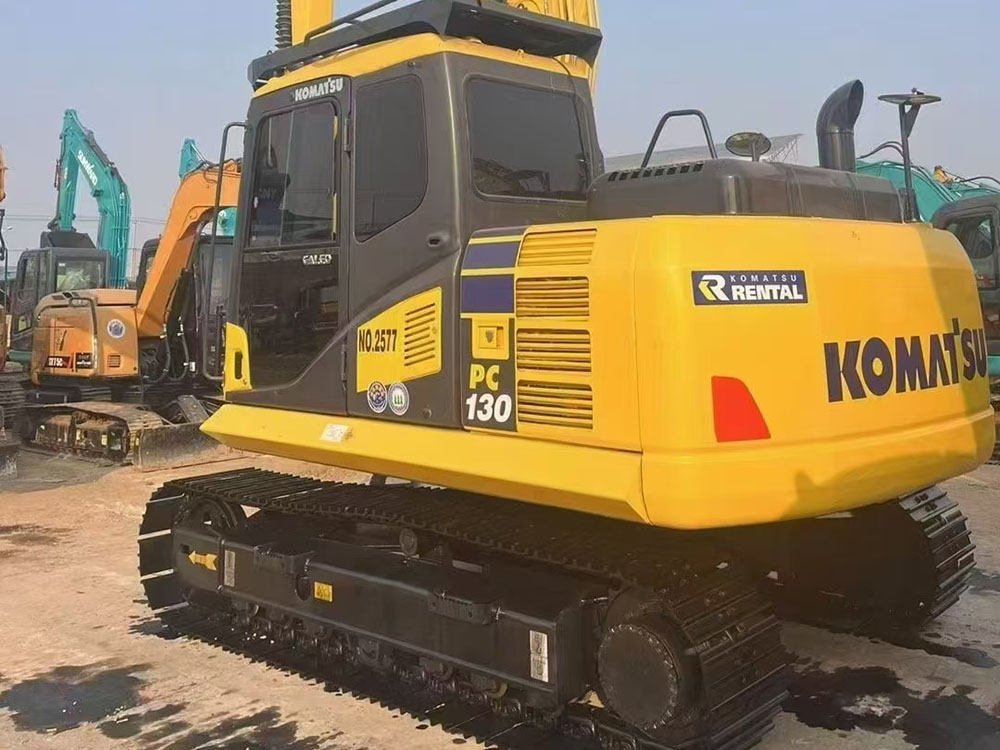
-
Fob Price
21,000$/Unit
-
Min. Order
1 Unit
-
-
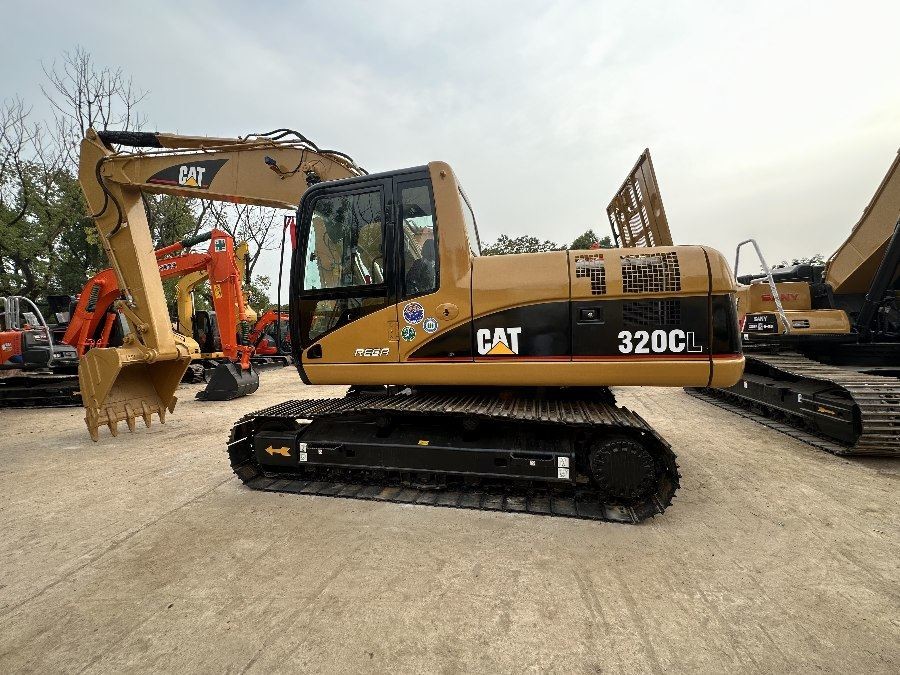
-
Fob Price
25,000$/Unit
-
Min. Order
1 Unit
-
Leave Us A Message