


| Working Hours: ≥hours |
| Year: |
| Brand: Products |
| Shipping: Bulk cargo / Container/Flat Rack |
Used Excavator Pre-Shipment Inspection and Loading Checklist
Why Choose Us
We have a strong mechanical team to ensure that all machines are well maintained, of high quality, and
100% original.
Spare parts are available, the most suitable for your machine.
We offer almost all types of second-hand construction machinery in good condition and at low prices.
Product Introduction
| Working Hours: ≥hours |
| Year: |
| Brand: Products |
| Shipping: Bulk cargo / Container/Flat Rack |
Why a final inspection is still necessary
The machine accepted during negotiation should be the same machine delivered to the port. A pre-shipment inspection confirms identity, agreed condition, included accessories and loading preparation after repairs or dismantling. It also creates a dated record that can help distinguish pre-existing damage from transport damage.
Confirm machine identity
Photograph the complete machine, serial plate, stamped serial number where available and dashboard hours. Compare them with the sales contract, quotation and previous inspection report. Record the inspection date and location in the same continuous video sequence.
Verify promised repairs
Review every repair listed in the agreement. Inspect the repaired area closely and test the related function when safe. New paint or cleaned surfaces are not proof of a completed mechanical repair. Request parts invoices, pressure-test results or other evidence when they were part of the agreement.
Repeat essential operating tests
Perform a cold start when possible, warm the machine fully and test boom, arm, bucket, swing, travel and steering. Check warning displays, leaks, abnormal noise and temperature. If major work was performed after the original inspection, give the affected system extra attention.
Record accessories and loose parts
List buckets, rippers, breakers, toolboxes, manuals, spare parts, keys and removable guards. Photograph each item and mark it against the packing list. Confirm coupler pins, hydraulic hoses and attachment brackets are included when promised.
Prepare for dismantling
Photograph hose routing, electrical connections, shims and pin positions before parts are removed. Use clean caps and plugs for hydraulic openings. Label components and fasteners clearly, protect cylinder rods and package loose parts to prevent loss or contamination.
Inspect cleaning and fluid condition
Many destinations and carriers impose cleanliness or leakage requirements. Remove excessive soil and plant material, repair active leaks and follow carrier rules for fuel, batteries and hazardous materials. Do not drain or alter fluids without an agreed, model-appropriate plan.
Document the loading process
Record the container or vessel reference, loading method, machine orientation, blocking and lashing points. Photograph all sides before closing a container or handing the unit to the carrier. Avoid securing chains to handrails, hoses or other weak components.
Final evidence package
- Dated identity and hour-meter images.
- Completed repair and operating-test record.
- Signed accessory and packing list.
- Pre-dismantling and capped-line photographs.
- Loading, blocking and lashing photographs.
- Commercial invoice and bill of lading draft.
Plan the shipment as part of the purchase
Read our guide to container, flat-rack and RoRo shipping and the remote inspection video checklist. Current machines are listed under used Caterpillar excavators and used Komatsu excavators.
For machine-specific inspection and loading evidence, contact YCHS Machinery.
Inspection, lifting and loading should be handled by qualified personnel following carrier and manufacturer requirements.
Tags:
excavator pre shipment inspection excavator loading checklist used machinery export inspectionrelated products
-
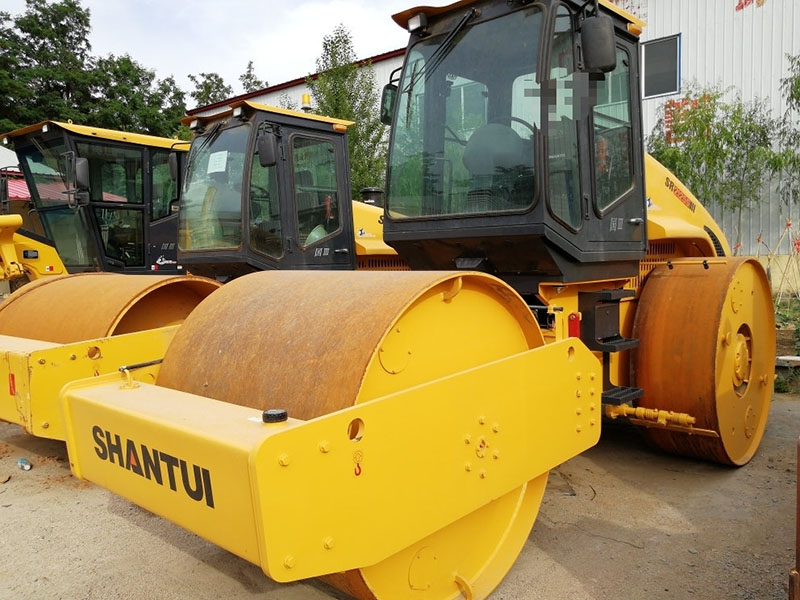
-
Fob Price
20,000$/Unit
-
Min. Order
1 Unit
-
-
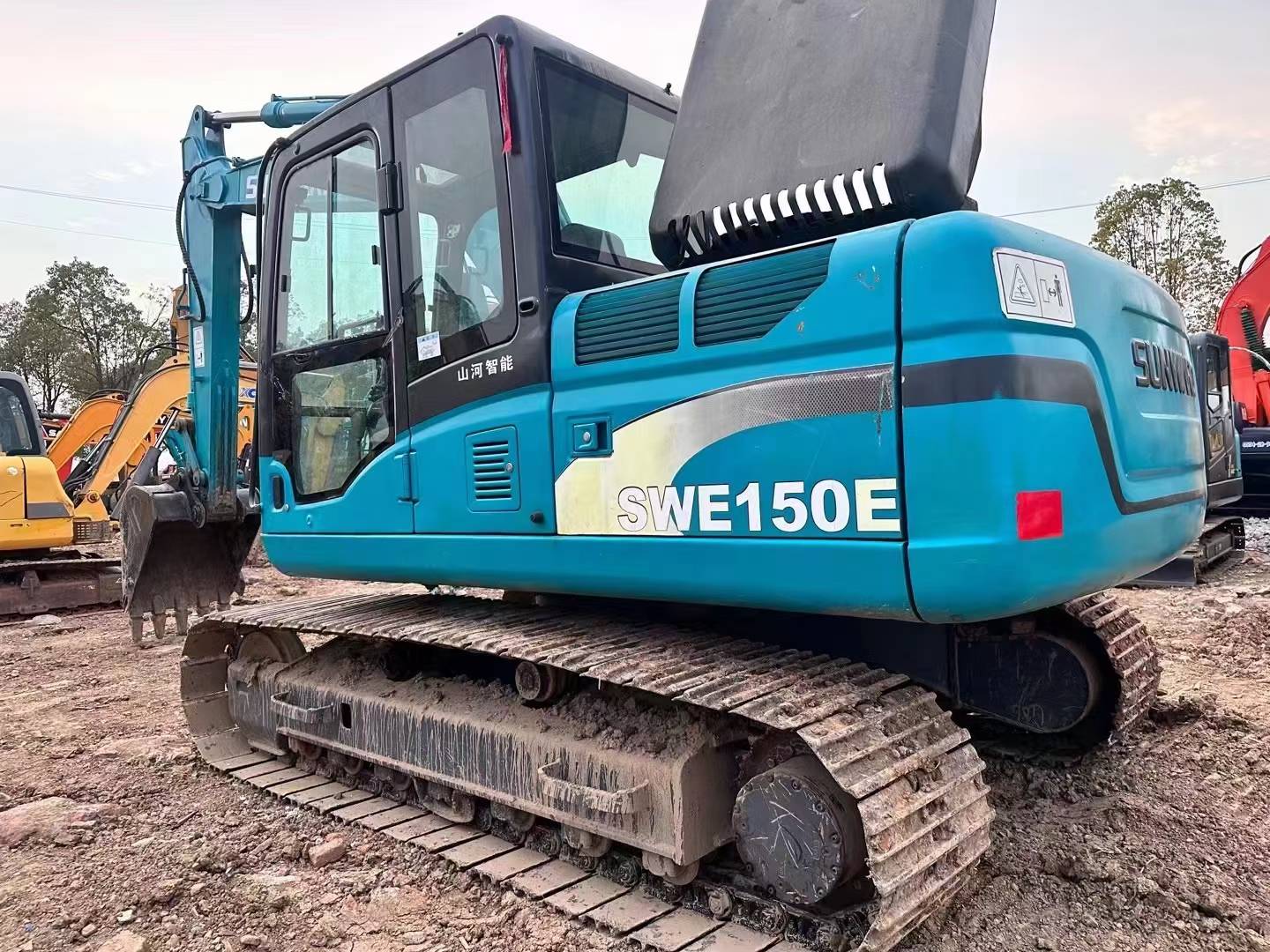
-
Fob Price
13,800$/Unit
-
Min. Order
1 Unit
-
-
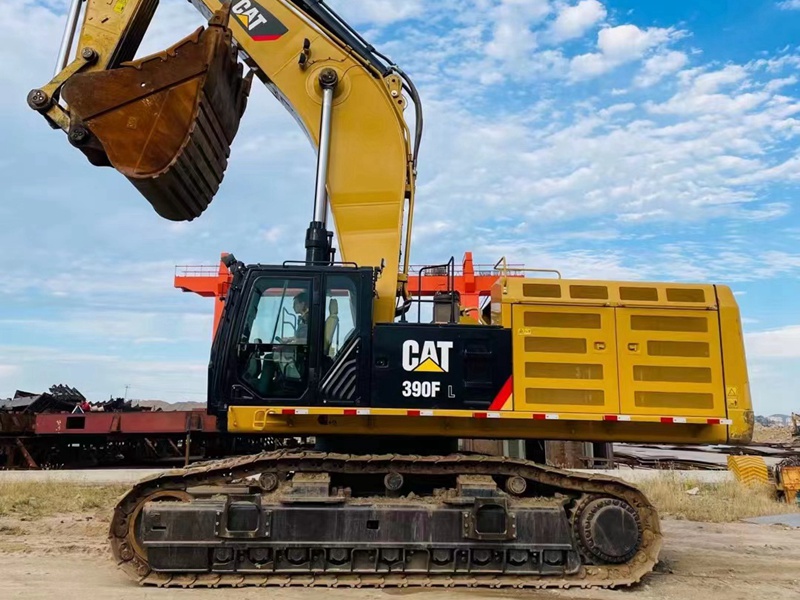
-
Fob Price
176,000$/Unit
-
Min. Order
1 Unit
-
-
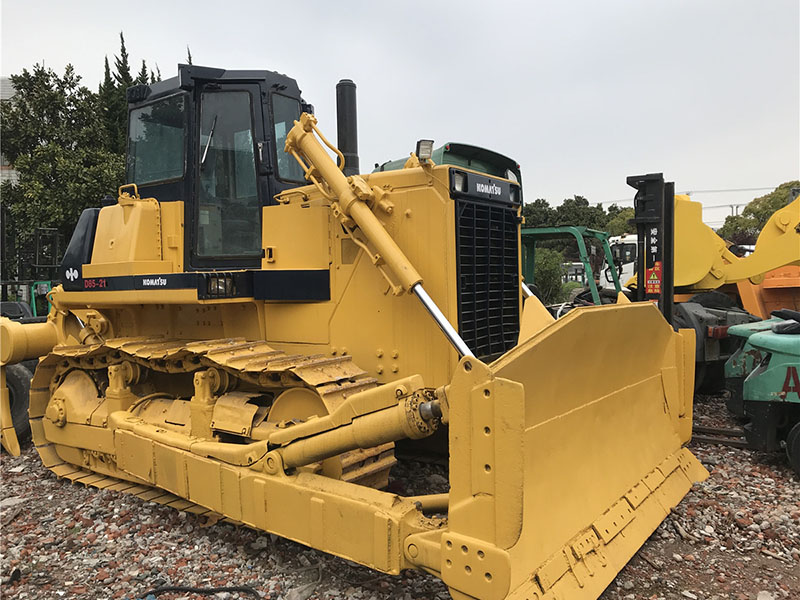
-
Fob Price
30,000$/Unit
-
Min. Order
1 Unit
-
-
-
Fob Price
13,800$/Unit
-
Min. Order
1 Unit
-
-
-
Fob Price
21,000$/Unit
-
Min. Order
1 Unit
-
-
-
Fob Price
25,000$/Unit
-
Min. Order
1 Unit
-
-
-
Fob Price
18,000$/Unit
-
Min. Order
1 Unit
-
-
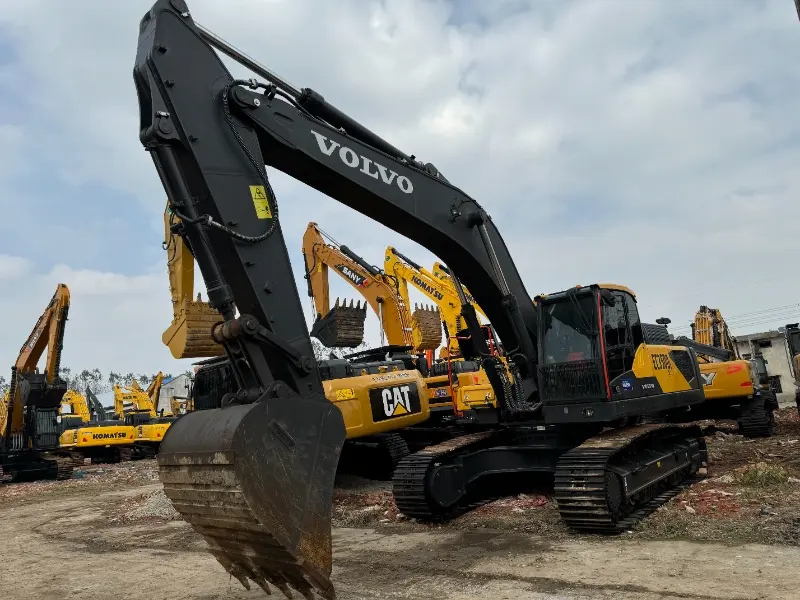
-
Fob Price
42,000$/Unit
-
Min. Order
1 Unit
-
-
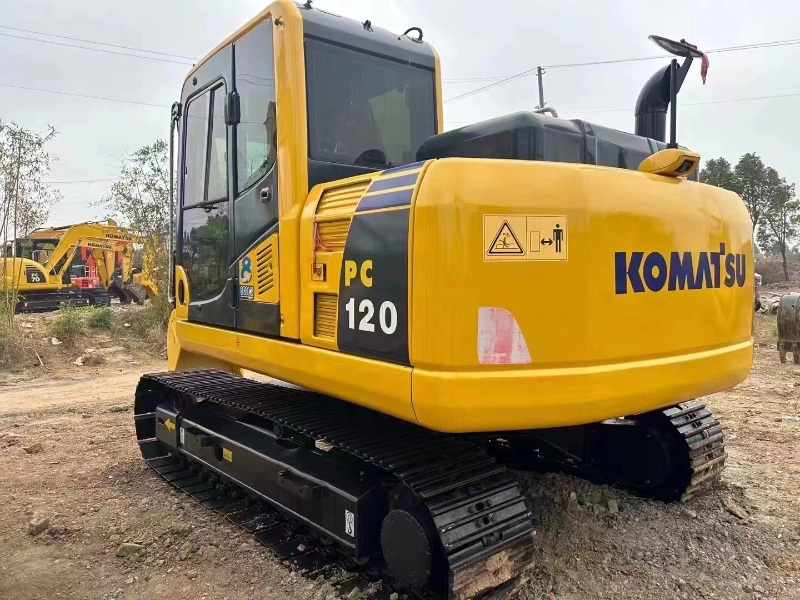
-
Fob Price
19,500$/Unit
-
Min. Order
1 Unit
-
Leave Us A Message