


| Working Hours: ≥hours |
| Year: |
| Brand: Products |
| Shipping: Bulk cargo / Container/Flat Rack |
How to Match Excavator Attachments, Couplers and Hydraulic Flow
Why Choose Us
We have a strong mechanical team to ensure that all machines are well maintained, of high quality, and
100% original.
Spare parts are available, the most suitable for your machine.
We offer almost all types of second-hand construction machinery in good condition and at low prices.
Product Introduction
| Working Hours: ≥hours |
| Year: |
| Brand: Products |
| Shipping: Bulk cargo / Container/Flat Rack |
Attachment compatibility involves more than machine weight
A breaker, grapple, shear, compactor or tilt bucket must match the excavator's structure, coupler, hydraulic system and control configuration. Two machines in the same weight class may use different pin sizes, pressures, flows and electrical controls. Confirm the exact model and serial range before purchase.
Start with the intended work
Define the material, required cycle rate, duty cycle and working environment. A demolition tool, quarry breaker and sorting grapple place different demands on the carrier. The attachment supplier should know the application, not only the excavator model.
Verify weight and stability
Compare attachment operating weight with the manufacturer's approved range and lift information. Include the coupler, bracket, hoses and any adapter in the total. A heavy attachment changes reach, stability, swing behavior and transport weight. Longer fronts and raised working positions require additional caution.
Measure pin and coupler geometry
For direct-pin attachments, record pin diameters, center-to-center distance, stick width and boss spacing using accurate measurements. For quick couplers, confirm coupler type, pickup dimensions, locking method and safety requirements. Similar-looking interfaces are not necessarily interchangeable.
Check hydraulic flow and pressure
Compare the attachment's required flow and pressure range with the excavator's auxiliary circuit. Confirm whether the machine provides one-way or two-way flow, proportional control and adjustable settings. Excess flow or pressure can damage the tool; insufficient supply reduces performance.
Confirm return, drain and rotation lines
Some attachments require a low-pressure return or dedicated case-drain line. Rotating grapples may need additional circuits or an electrical selector. Check port sizes, hose ratings, routing and protection. Do not route hoses where they can be pinched at full boom, arm or bucket movement.
Review controls and software settings
Modern excavators may store attachment profiles in the monitor. Verify that the correct mode, flow and pressure can be selected and that joystick buttons operate the intended functions. After installation, test at low speed and inspect for leakage, overheating or unexpected movement.
Compatibility information to collect
- Excavator model, serial number and front configuration.
- Attachment make, model, weight and application.
- Pin or coupler dimensions and locking system.
- Required hydraulic flow, pressure and direction.
- Return, drain, rotation and electrical requirements.
- Transport dimensions and lifting arrangements.
Inspect the carrier before fitting a tool
An attachment can expose existing pump weakness, joint wear or structural damage. Review our hydraulic pump inspection guide, boom and arm inspection guide and excavator size comparison.
For available machines, attachment details and export support, contact YCHS Machinery.
Use manufacturer-approved combinations and qualified installers. Verify current specifications for the exact machine and attachment.
Tags:
excavator attachment compatibility excavator coupler size auxiliary hydraulic flowrelated products
-
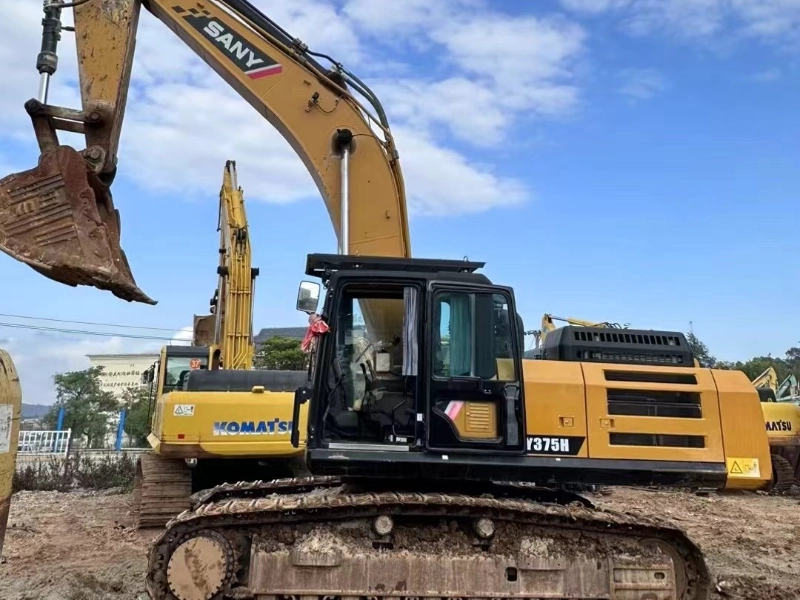
-
Fob Price
42,000$/Unit
-
Min. Order
1 Unit
-
-
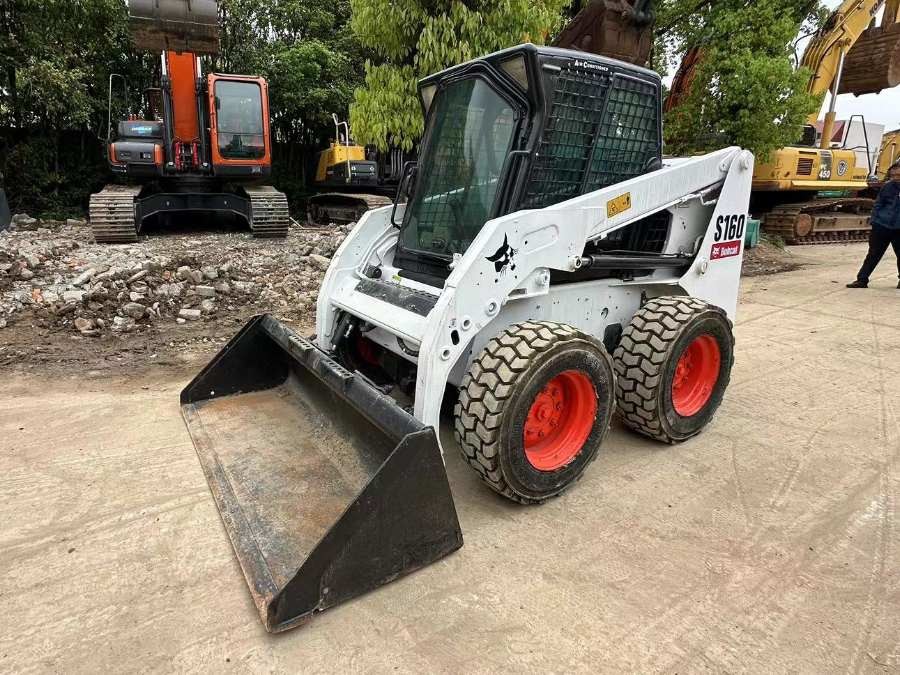
-
Fob Price
15,500$/Unit
-
Min. Order
1 Unit
-
-
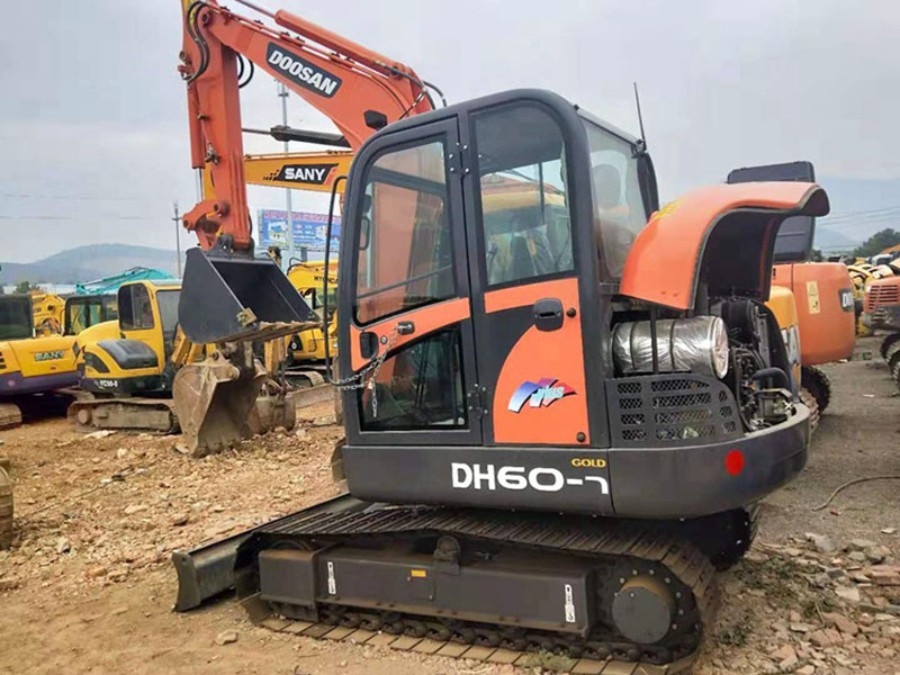
-
Fob Price
13,000$/Unit
-
Min. Order
1 Unit
-
-
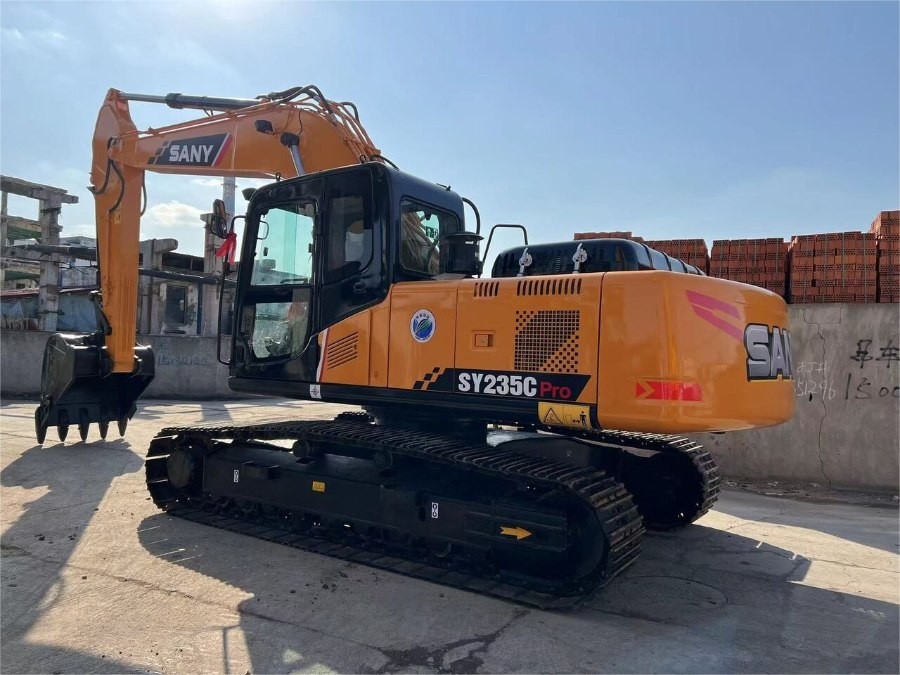
-
Fob Price
28,000$/Unit
-
Min. Order
1 Unit
-
-
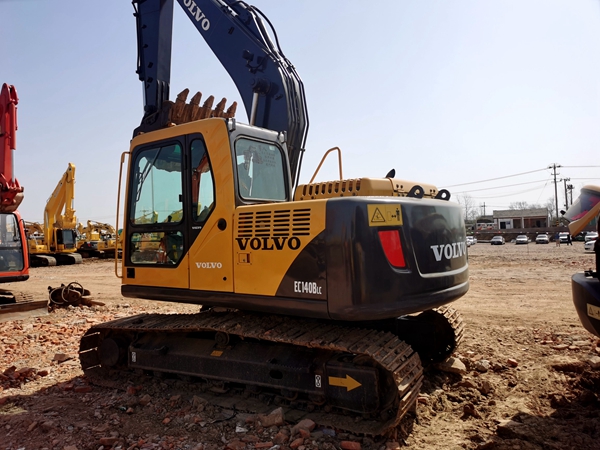
-
Fob Price
21,000$/Unit
-
Min. Order
1 Unit
-
-
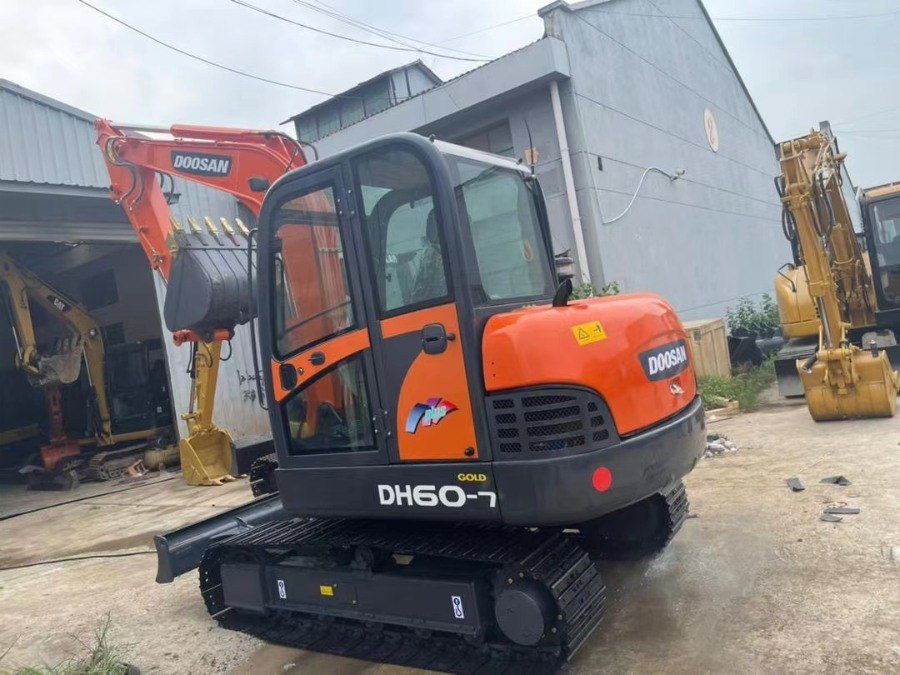
-
Fob Price
11,800$/Unit
-
Min. Order
1 Unit
-
-
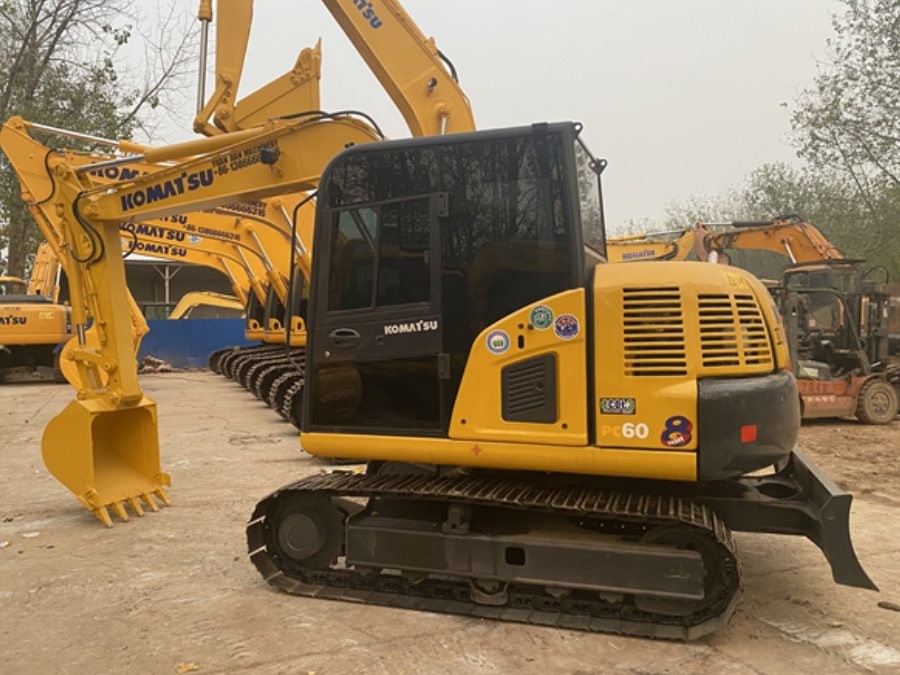
-
Fob Price
16,000$/Unit
-
Min. Order
1 Unit
-
-
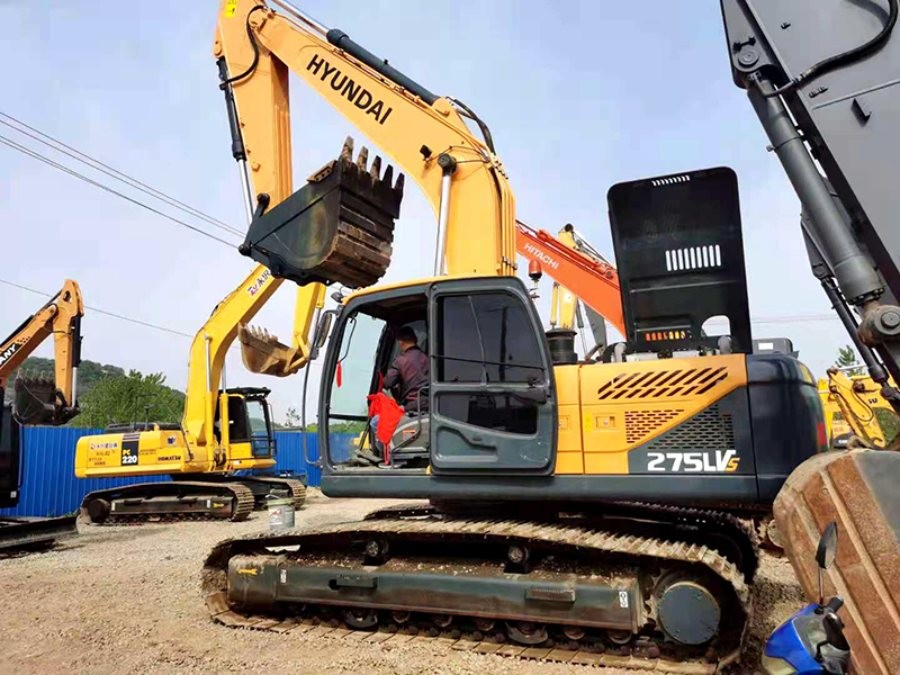
-
Fob Price
29,000$/Unit
-
Min. Order
1 Unit
-
-
-
Fob Price
280,000$/Unit
-
Min. Order
1 Unit
-
-
-
Fob Price
39,000$/Unit
-
Min. Order
1 Unit
-
Leave Us A Message