


| Working Hours: ≥hours |
| Year: |
| Brand: Products |
| Shipping: Bulk cargo / Container/Flat Rack |
Container, Flat Rack or RoRo: How to Ship a Used Excavator
Why Choose Us
We have a strong mechanical team to ensure that all machines are well maintained, of high quality, and
100% original.
Spare parts are available, the most suitable for your machine.
We offer almost all types of second-hand construction machinery in good condition and at low prices.
Product Introduction
| Working Hours: ≥hours |
| Year: |
| Brand: Products |
| Shipping: Bulk cargo / Container/Flat Rack |
Choose the shipping method after confirming machine dimensions
A used excavator can move by standard container, flat rack, roll-on/roll-off vessel or other project cargo service. The correct choice depends on transport dimensions, weight, port access, route availability, delivery schedule and local handling equipment. Obtain verified measurements instead of relying only on brochure dimensions because buckets, guards and optional equipment can change the shipment.
Standard container shipping
Standard containers can suit mini and some medium excavators after controlled disassembly. This method provides enclosed protection and is widely handled by ports, but internal width, height, payload and floor loading must all be checked. Removal of the boom, arm, bucket, cab or counterweight changes labor, lifting and reassembly requirements.
Flat-rack shipping
A flat rack is useful when a machine exceeds standard container dimensions but can be secured within the carrier's accepted limits. It allows loading from the top or side and avoids some disassembly. The machine remains more exposed, so corrosion protection, weatherproofing and secure covering deserve attention. Out-of-gauge surcharges and port handling can be significant.
RoRo shipping
Roll-on/roll-off service can reduce dismantling because operational equipment is driven or moved onto the vessel. Route and port availability are more limited than container service. The machine generally needs to start, steer, brake and travel safely, and the carrier may impose fuel, battery, cleanliness and leakage rules.
Plan disassembly and reassembly
Ask for a written list of removed parts and the reason each part must be removed. Photograph hose routing, electrical connectors, shims, pins and fasteners before disassembly. Cap hydraulic lines, label connections and package loose parts. Confirm whether destination-side lifting equipment and qualified technicians will be available.
Protect the machine during transit
Clean excessive soil, repair active fluid leaks and secure doors, panels and attachments. Protect exposed cylinder rods and open ports. Batteries, fuel and fire extinguishers must follow carrier rules. Lashing plans should use approved points and account for the machine's weight distribution; do not improvise around fragile handrails or hydraulic lines.
Documents buyers should request
- Serial-number and machine-identification photographs.
- Verified transport dimensions and operating or shipping weight.
- Loading plan showing removed components.
- Photos before, during and after loading.
- Packing list and commercial invoice details.
- Bill of lading draft checked before release.
Compare total landed cost
The lowest ocean-freight quote may not be the lowest delivered cost. Include inland haulage, disassembly, crane work, port charges, destination handling, customs costs, reassembly and possible storage. Compare quotations using the same scope, route and validity date.
Prepare before requesting a freight quotation
Read our excavator shipping cost guide and used excavator inspection checklist. Browse available used Caterpillar excavators and used Komatsu excavators.
For machine dimensions, loading options and an export quotation, contact YCHS Machinery.
Carrier requirements and import rules vary by route and destination. Confirm current terms with the carrier and local customs professionals.
Tags:
ship used excavator excavator container shipping flat rack vs RoRorelated products
-
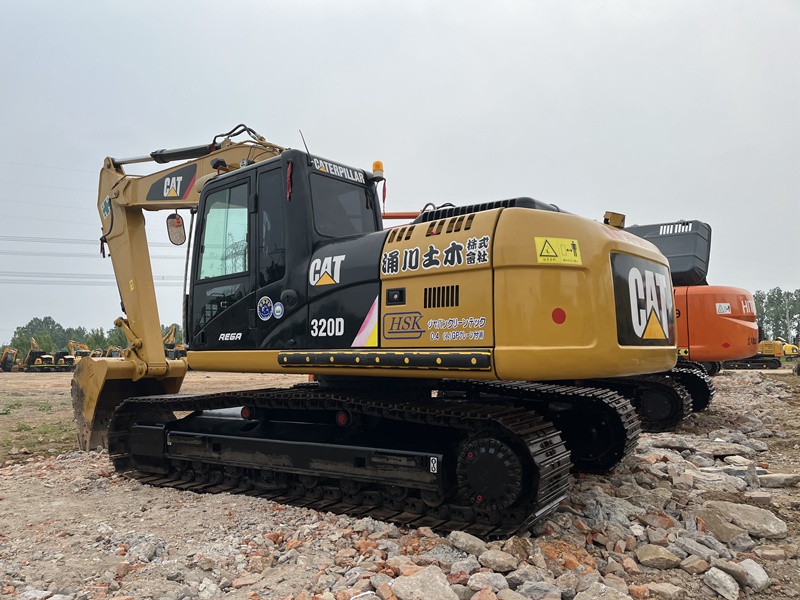
-
Fob Price
33,000$/Unit
-
Min. Order
1 Unit
-
-
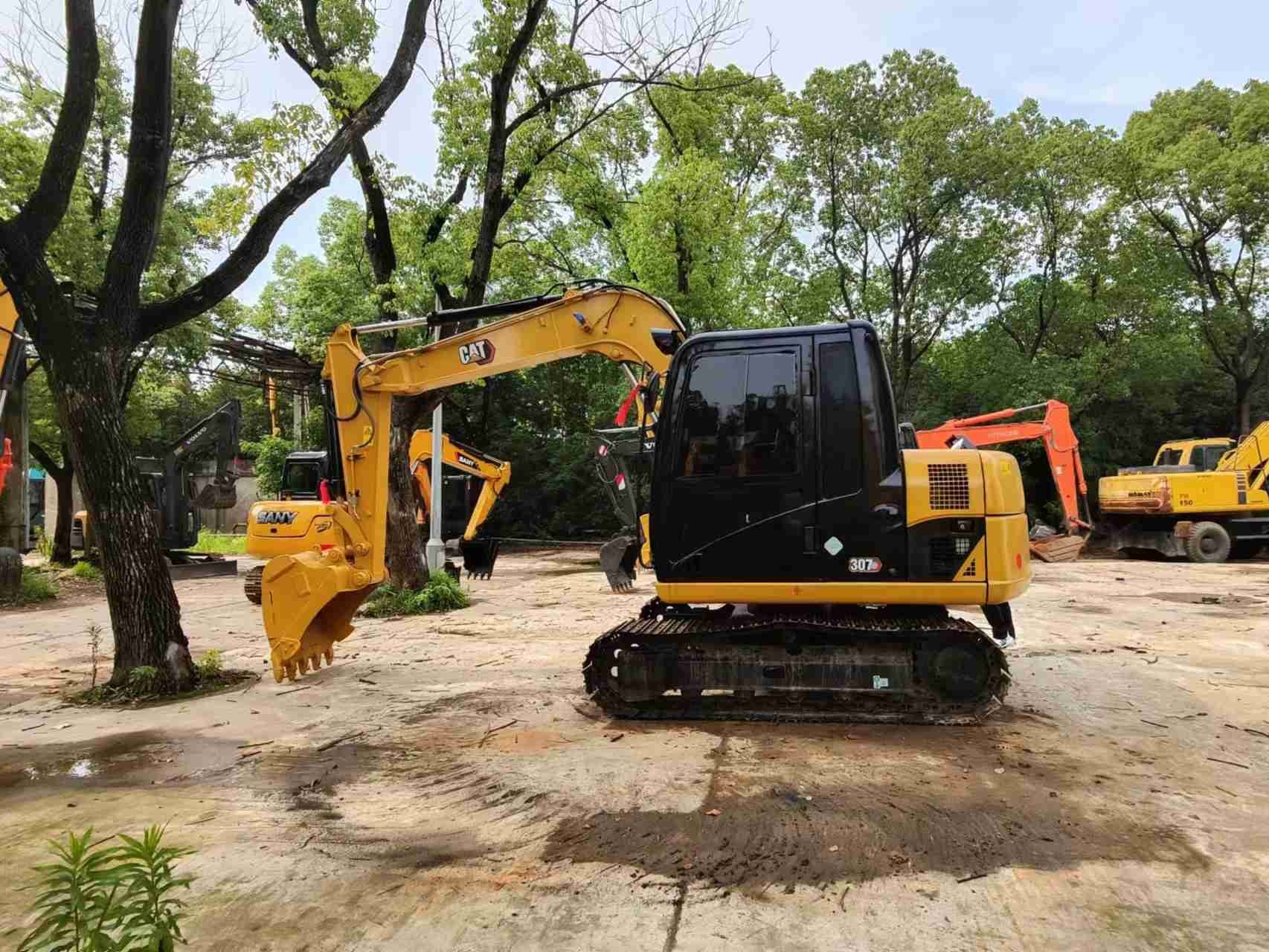
-
Fob Price
15,000$/Unit
-
Min. Order
1 Unit
-
-
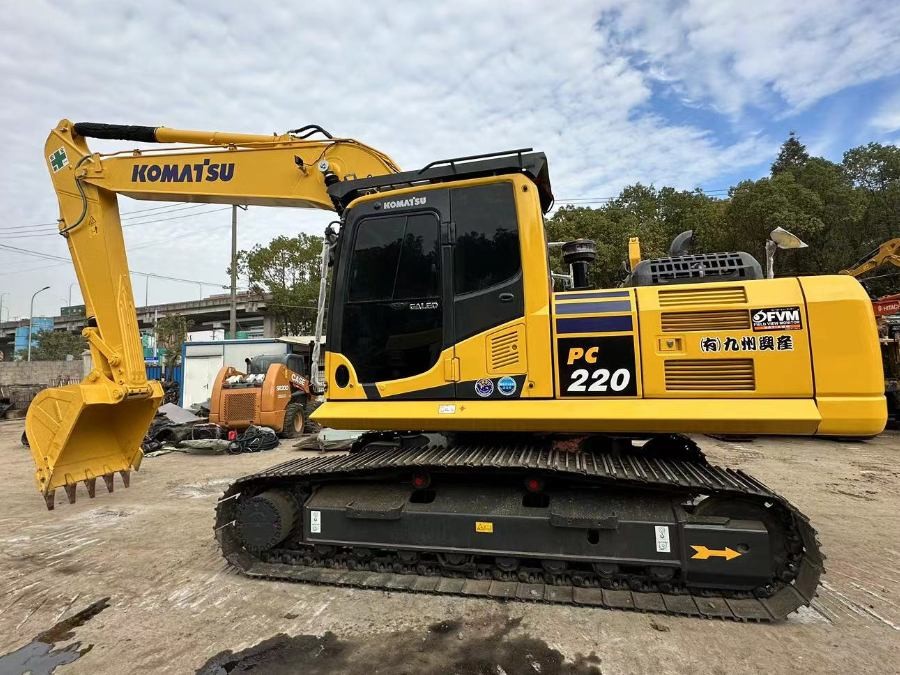
-
Fob Price
31,000$/Unit
-
Min. Order
1 Unit
-
-
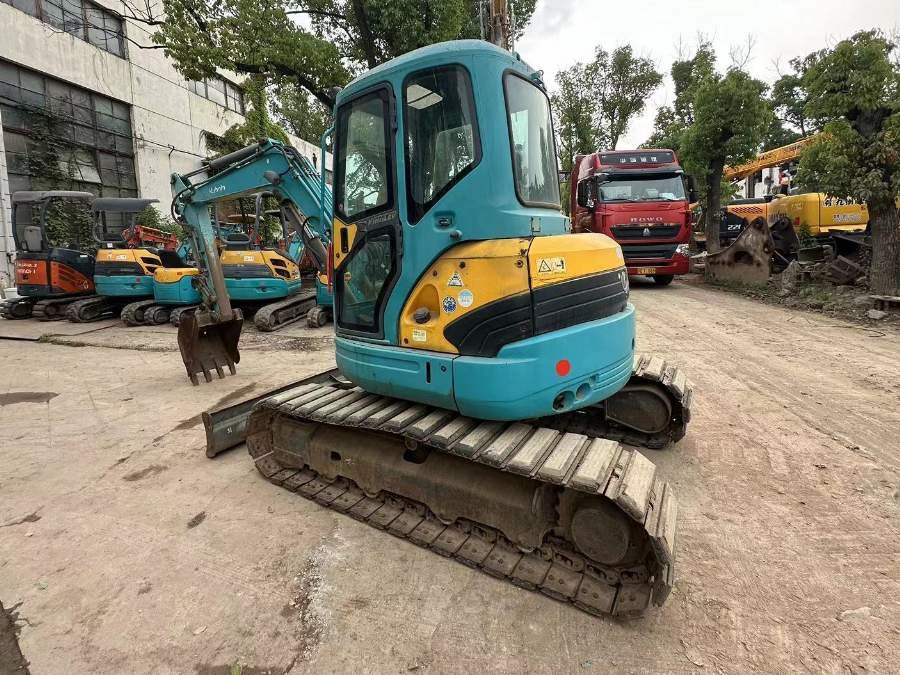
-
Fob Price
14,200$/Unit
-
Min. Order
1 Unit
-
-
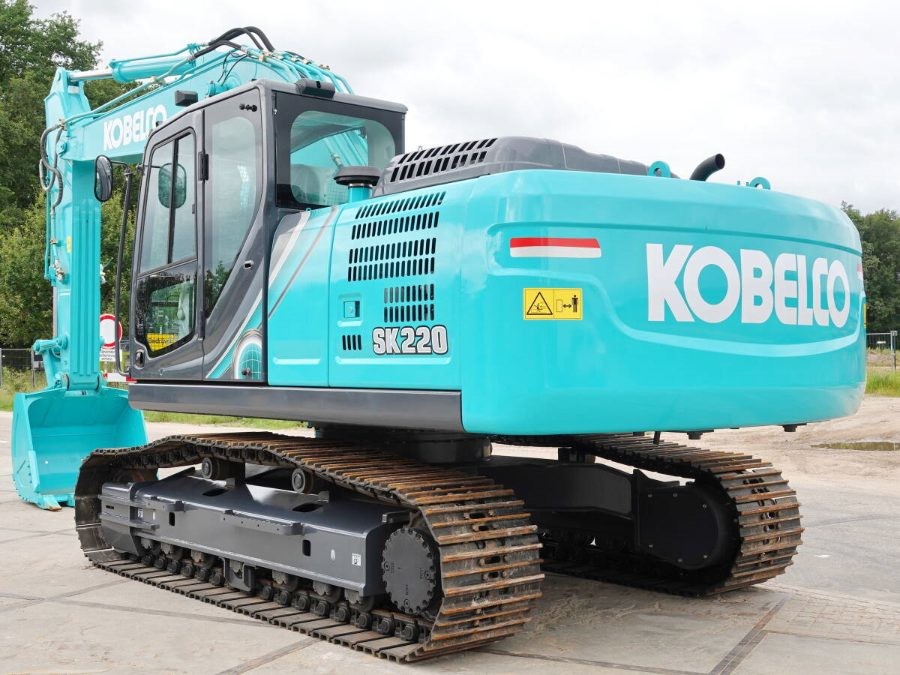
-
Fob Price
27,600$/Unit
-
Min. Order
1 Unit
-
-
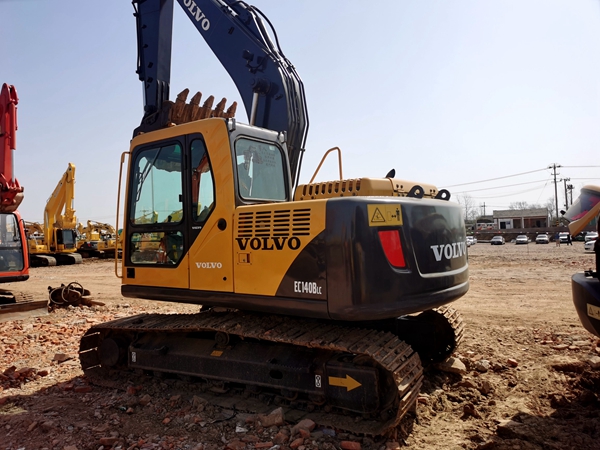
-
Fob Price
21,000$/Unit
-
Min. Order
1 Unit
-
-
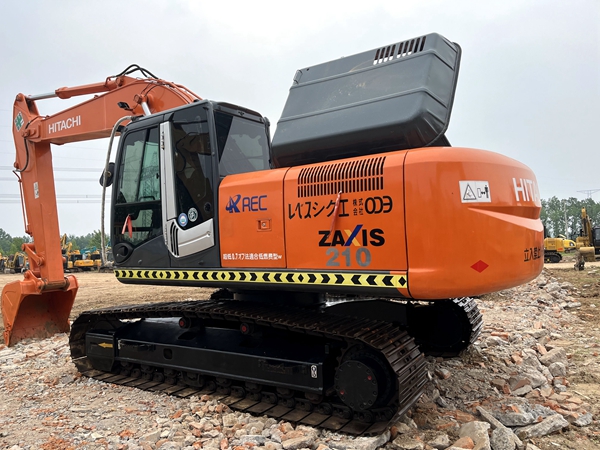
-
Fob Price
28,000$/Unit
-
Min. Order
1 Unit
-
-
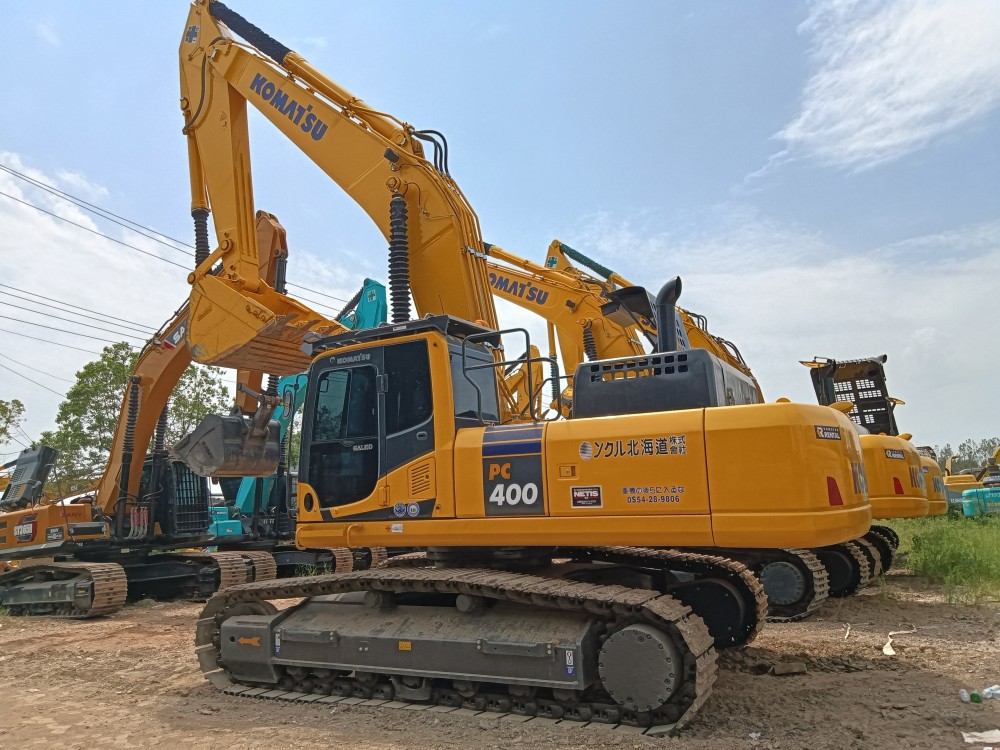
-
Fob Price
53,000$/Unit
-
Min. Order
1 Unit
-
-
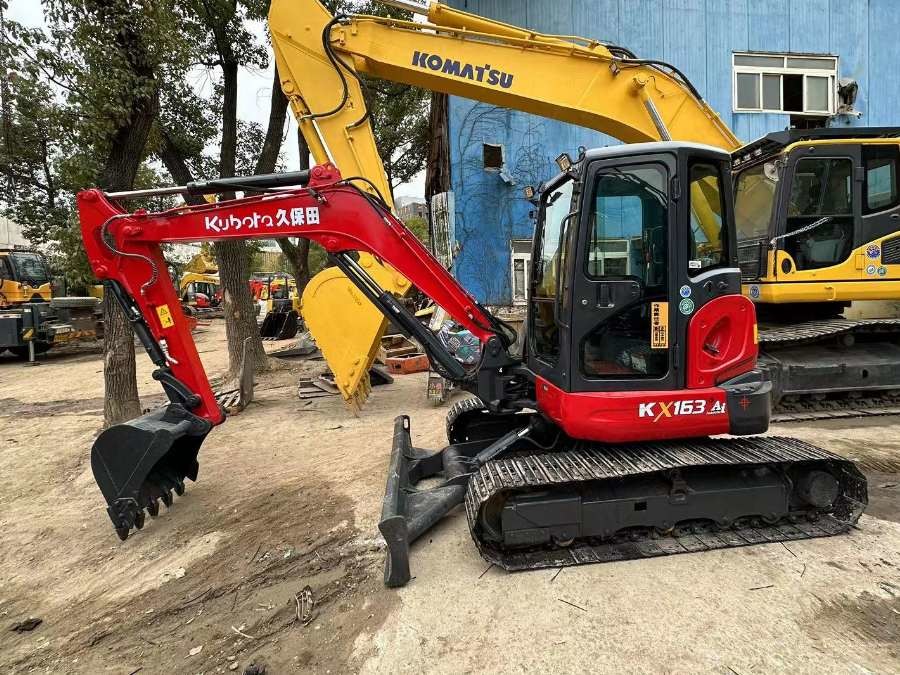
-
Fob Price
10,800$/Unit
-
Min. Order
1 Unit
-
-
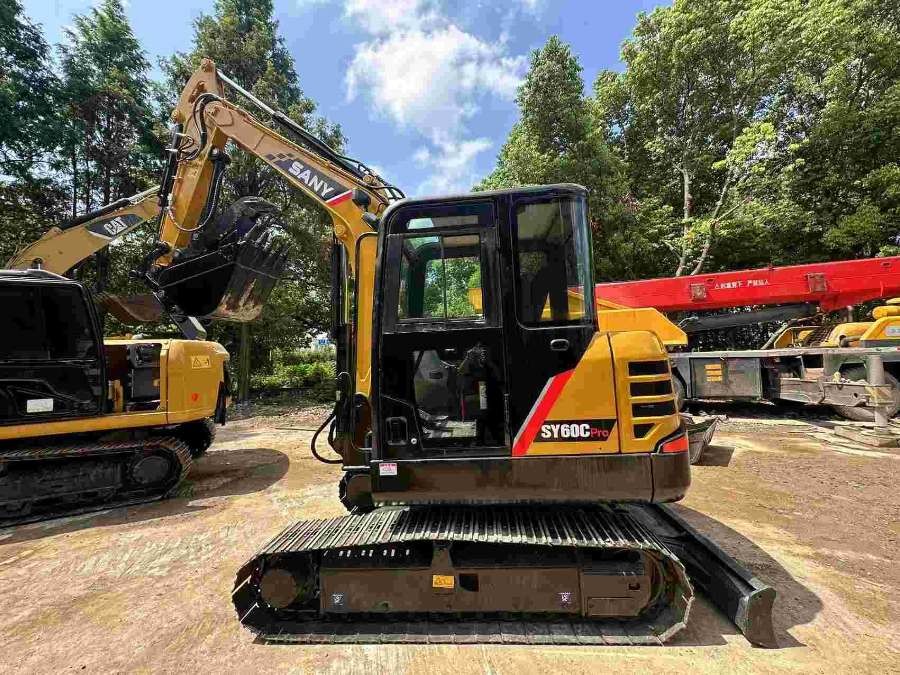
-
Fob Price
13,000$/Unit
-
Min. Order
1 Unit
-
Leave Us A Message