


| Working Hours: ≥hours |
| Year: |
| Brand: Products |
| Shipping: Bulk cargo / Container/Flat Rack |
Used Excavator Cooling System Inspection: Radiator, Coolant and Overheating Checks
Why Choose Us
We have a strong mechanical team to ensure that all machines are well maintained, of high quality, and
100% original.
Spare parts are available, the most suitable for your machine.
We offer almost all types of second-hand construction machinery in good condition and at low prices.
Product Introduction
| Working Hours: ≥hours |
| Year: |
| Brand: Products |
| Shipping: Bulk cargo / Container/Flat Rack |
Why cooling condition affects purchase risk
An excavator works under sustained load, often in dust and high ambient temperatures. Cooling problems can reduce productivity and may be connected with radiator blockage, airflow restriction, coolant loss, fan faults, poor maintenance or internal engine issues. A clean-looking machine still needs a complete warm test.
Inspect only when the system is safe
Never remove a radiator or expansion-tank cap from a hot, pressurized system. Begin with the engine cold and follow the manufacturer's procedure. Note coolant level, color and visible contamination. Oil film, heavy rust, sediment or an unexplained low level requires further investigation rather than an immediate top-up.
Check the radiator and cooling pack
Use a light to examine accessible fins on the radiator, oil cooler, charge-air cooler and air-conditioning condenser. Look for mud, dust, bent fins, crushed sections and oily debris that traps dirt. Inspect mounts, shrouds and seals because missing foam or damaged panels can allow air to bypass the cooling core. Check both sides where access is safe.
Look for leakage evidence
Inspect tanks, seams, hose ends, clamps, the water-pump area, thermostat housing, heater lines and drain points. Dried coolant residue can reveal a leak even when the area is currently dry. A freshly washed engine bay may hide evidence, so observe again after the machine reaches operating temperature.
Evaluate hoses, belt and fan
Cold hoses should be checked for cracking, swelling, abrasion and oil damage. Inspect the fan belt and tensioning system according to the model. Check fan blades and guards for damage. On machines with hydraulic or electronically controlled fans, confirm the fan responds as operating temperature and demand change; use diagnostic tests where available.
Run the machine under realistic load
Idle alone is not a meaningful overheating test. Warm the excavator fully and operate several hydraulic functions under controlled load while watching coolant temperature and warning messages. Confirm the gauge rises normally and then remains stable. Record ambient temperature and test duration so the result has context.
Investigate pressure, bubbles and exhaust signs
Persistent bubbles, rapid pressurization from cold, repeated coolant loss, white exhaust after warm-up or coolant odor can justify deeper diagnosis. These symptoms are not enough by themselves to identify a failed head gasket or cracked component. A qualified technician may use pressure, combustion-gas and temperature-difference tests before estimating repairs.
Cooling-system buyer checklist
- Cold coolant level and condition documented before starting.
- Clear photos of both sides of the cooling pack.
- Video of the temperature display during a sustained operating test.
- Inspection of hoses, clamps, fan, belt, guards and visible seals.
- Service history for coolant changes and previous overheating repairs.
Connect the result with engine and hydraulic condition
Overheating may involve more than the radiator. Compare your findings with our used excavator engine inspection guide and hydraulic pump inspection guide. Browse current used Hitachi excavators or used SANY excavators.
For detailed condition evidence and shipping support, contact YCHS Machinery.
Cooling systems can remain hot and pressurized. Use qualified personnel and the manufacturer's safety procedure.
Tags:
used excavator cooling system inspection excavator overheating check radiator inspectionrelated products
-
-
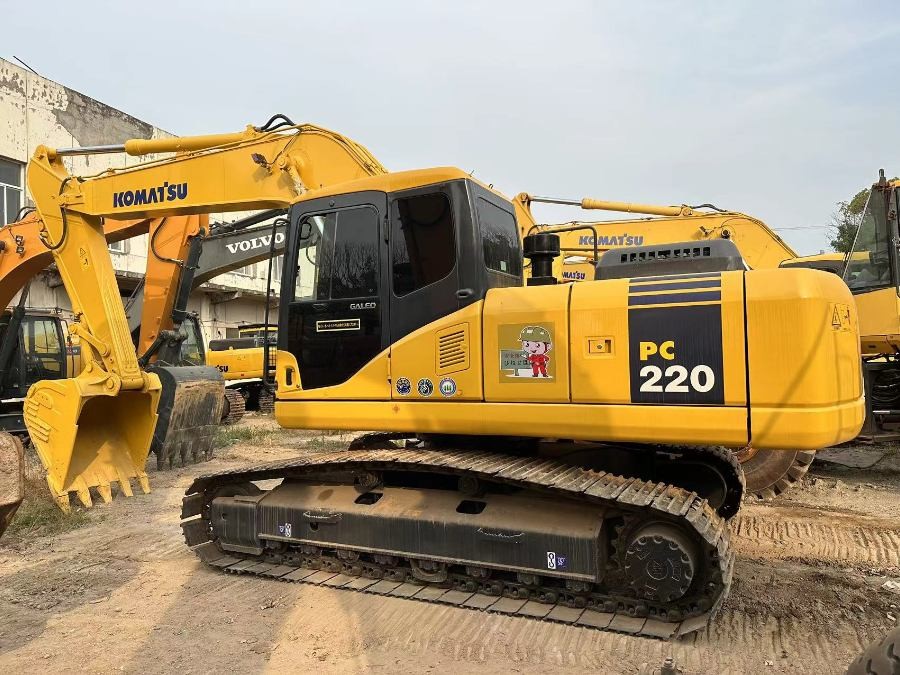
Fob Price
27,000$/Unit
-
Min. Order
1 Unit
-
-
-
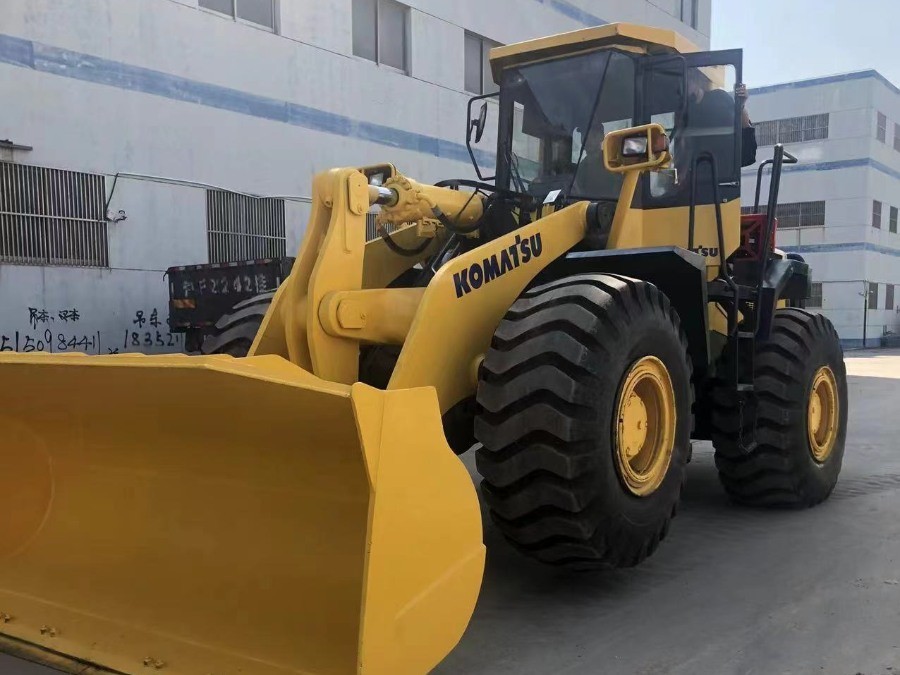
Fob Price
42,000$/Unit
-
Min. Order
1 Unit
-
-
-
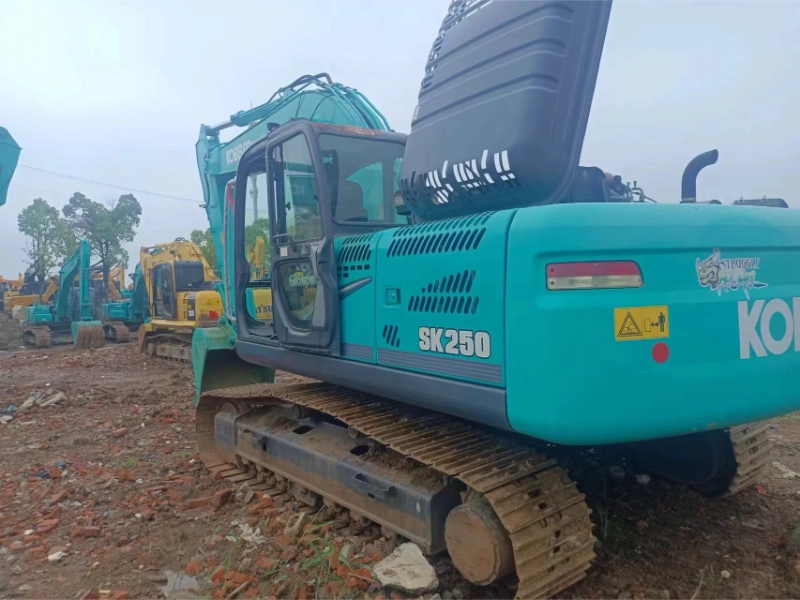
Fob Price
28,800$/Unit
-
Min. Order
1 Unit
-
-
-
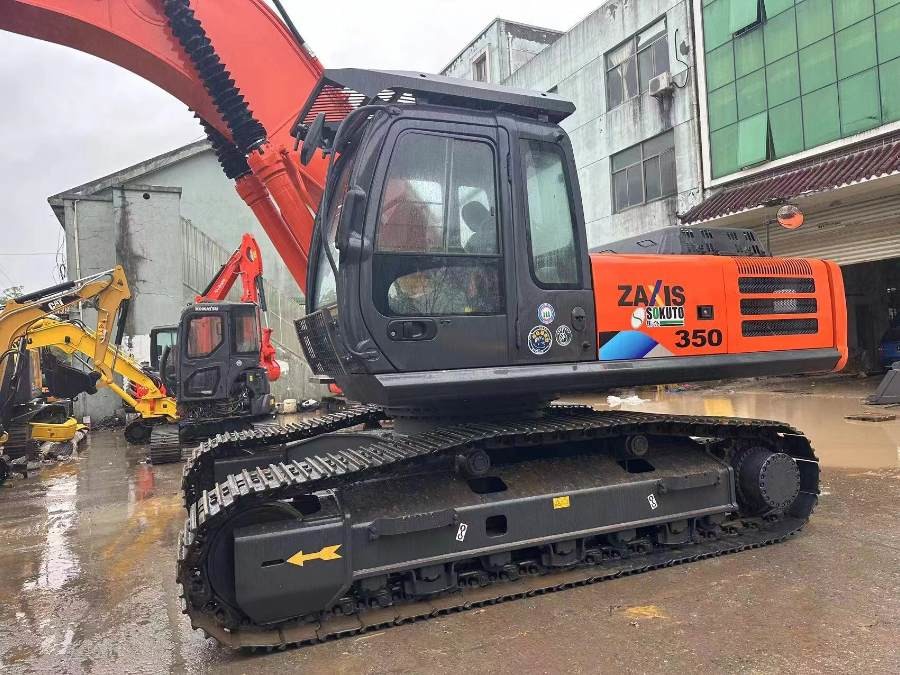
Fob Price
36,000$/Unit
-
Min. Order
1 Unit
-
-
-
Fob Price
39,000$/Unit
-
Min. Order
1 Unit
-
-
-
Fob Price
24,000$/Unit
-
Min. Order
1 Unit
-
-
-
Fob Price
38,000$/Unit
-
Min. Order
1 Unit
-
-
-
Fob Price
14,000$/Unit
-
Min. Order
1 Unit
-
-
-
Fob Price
23,500$/Unit
-
Min. Order
1 Unit
-
-
-
Fob Price
15,000$/Unit
-
Min. Order
1 Unit
-
Leave Us A Message