


| Working Hours: ≥hours |
| Year: |
| Brand: Products |
| Shipping: Bulk cargo / Container/Flat Rack |
Used Excavator Cab and Safety Inspection: Controls, Alarms and Visibility
Why Choose Us
We have a strong mechanical team to ensure that all machines are well maintained, of high quality, and
100% original.
Spare parts are available, the most suitable for your machine.
We offer almost all types of second-hand construction machinery in good condition and at low prices.
Product Introduction
| Working Hours: ≥hours |
| Year: |
| Brand: Products |
| Shipping: Bulk cargo / Container/Flat Rack |
Why cab condition matters
The cab is the operator's working environment and the control center for the machine. Broken controls, poor visibility and bypassed safety devices affect productivity and risk. Cab wear also provides useful context when comparing the stated hours and maintenance history with the machine's overall condition.
Inspect access and cab structure
Check steps, handrails, anti-slip surfaces, door hinges, latches and emergency exits. Look for cracked glass, damaged seals, bent pillars and signs of impact. If the cab is certified as a protective structure, repairs or modifications should be evaluated against manufacturer requirements rather than judged only by appearance.
Test the seat and restraint
Confirm the seat slides, locks and supports the operator correctly. Inspect the seat belt, buckle, anchor points and belt webbing. A belt that is cut, frayed or slow to retract should be replaced. Test suspension and adjustment controls because an unstable seat makes precise operation difficult.
Check visibility systems
Inspect the windshield, roof window, mirrors, camera and work lights. Test wipers and washer systems. Scratched or clouded glass, missing mirrors and an unreliable camera can leave blind areas. Ensure any added guards or accessories do not obstruct the operator's view.
Operate controls and monitor functions
With a qualified operator, test joysticks, pedals, travel levers, engine-speed controls, mode switches and attachment controls. Movement should be predictable without sticking or excessive looseness. Verify the monitor powers up normally, warning lamps complete their self-check and gauges respond during warm-up.
Test interlocks and warnings
Follow the model-specific procedure for the hydraulic lock lever, engine start interlock, travel alarm, horn and emergency shutdown. Confirm the machine does not perform a prohibited movement when an interlock is engaged. Never defeat a safety device to complete a test; a bypass should be documented and corrected.
Evaluate heating, ventilation and noise
Run the blower, air conditioning and heater through available settings. Check vents, filters and unusual odors. Listen for excessive cab vibration, rattles or air leaks during operation. Comfort faults may appear minor, but long working shifts make climate control and seat condition important to productivity.
Cab inspection evidence checklist
- Photos of steps, handrails, glass, mirrors and cab pillars.
- Video showing monitor start-up and warning-lamp checks.
- Demonstration of the hydraulic lock and travel alarm.
- Seat, seat-belt and emergency-exit condition.
- Operation of lights, horn, wipers, camera and climate controls.
Compare cab evidence with the full machine
Cab wear can support or challenge the claimed service history, but it should be combined with mechanical testing. Read our guide on verifying excavator hours and the electrical system inspection guide. Browse current used Hitachi excavators and used SANY excavators.
For current inventory, cab videos and international shipping support, contact YCHS Machinery.
Safety systems vary by model. Test them with qualified personnel and the correct operator or service manual.
Tags:
used excavator cab inspection excavator safety check excavator controls inspectionrelated products
-
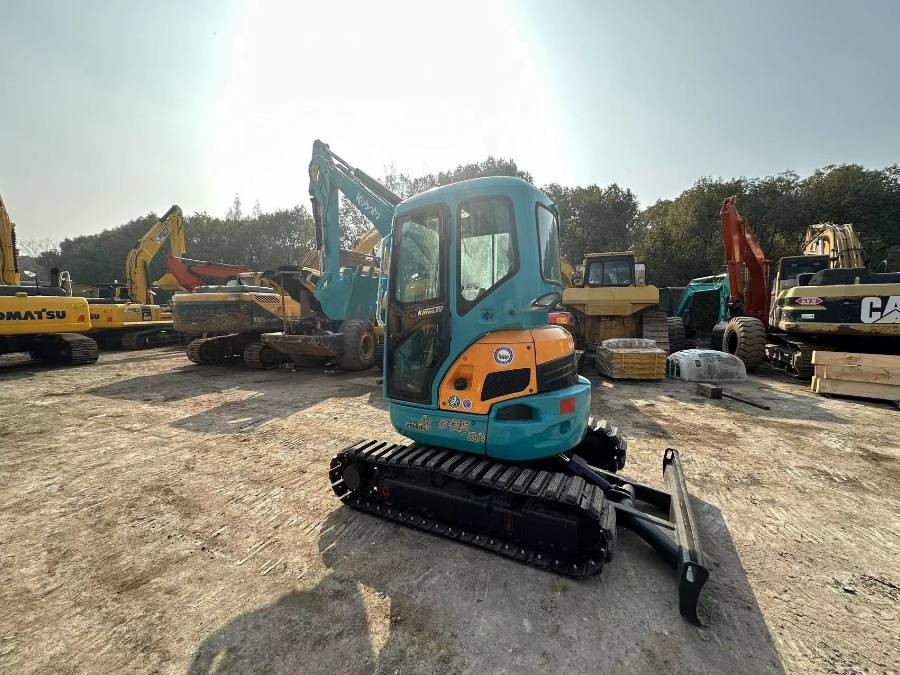
-
Fob Price
11,000$/Unit
-
Min. Order
1 Unit
-
-
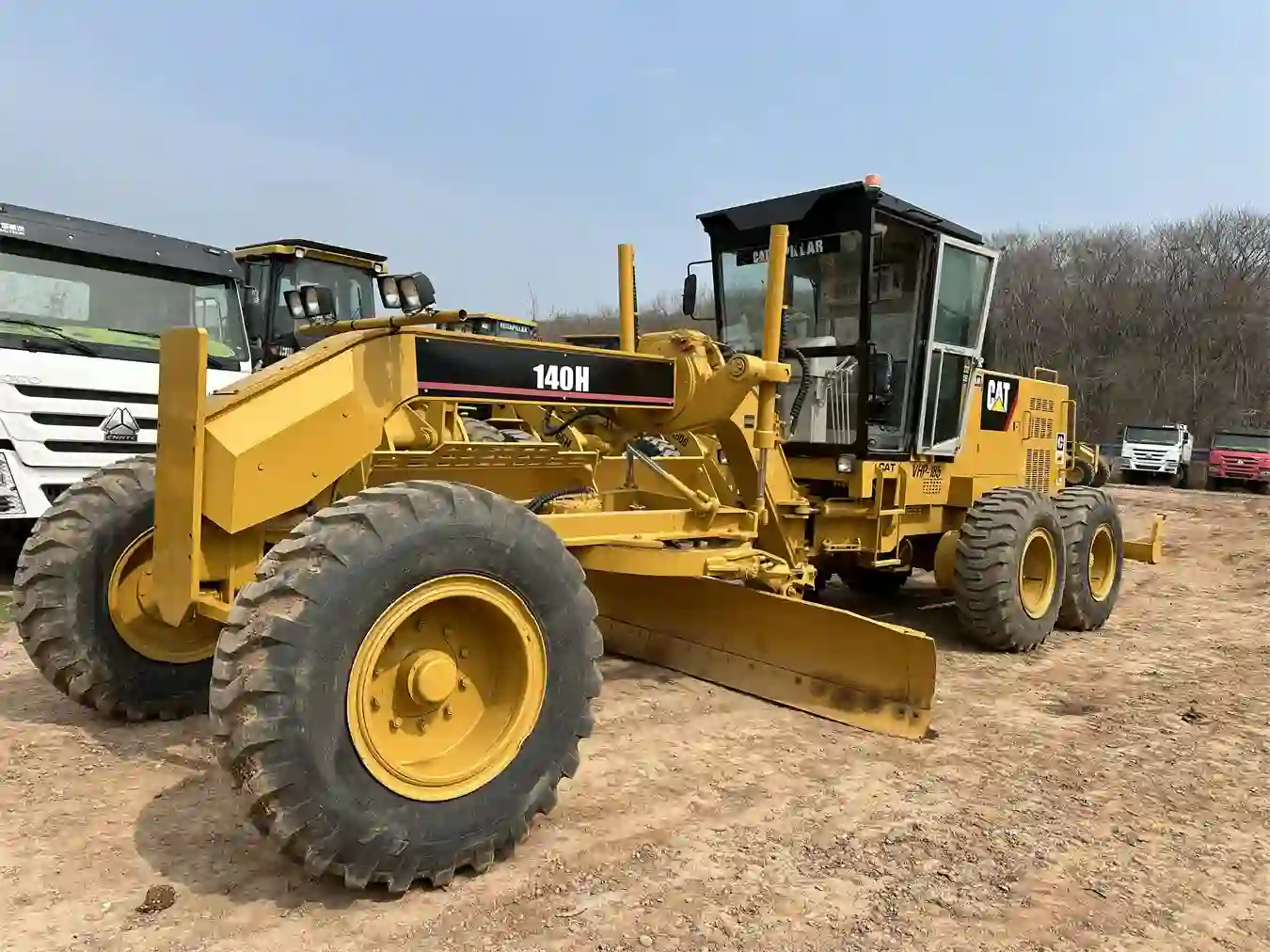
-
Fob Price
26,000$/Unit
-
Min. Order
1 Unit
-
-
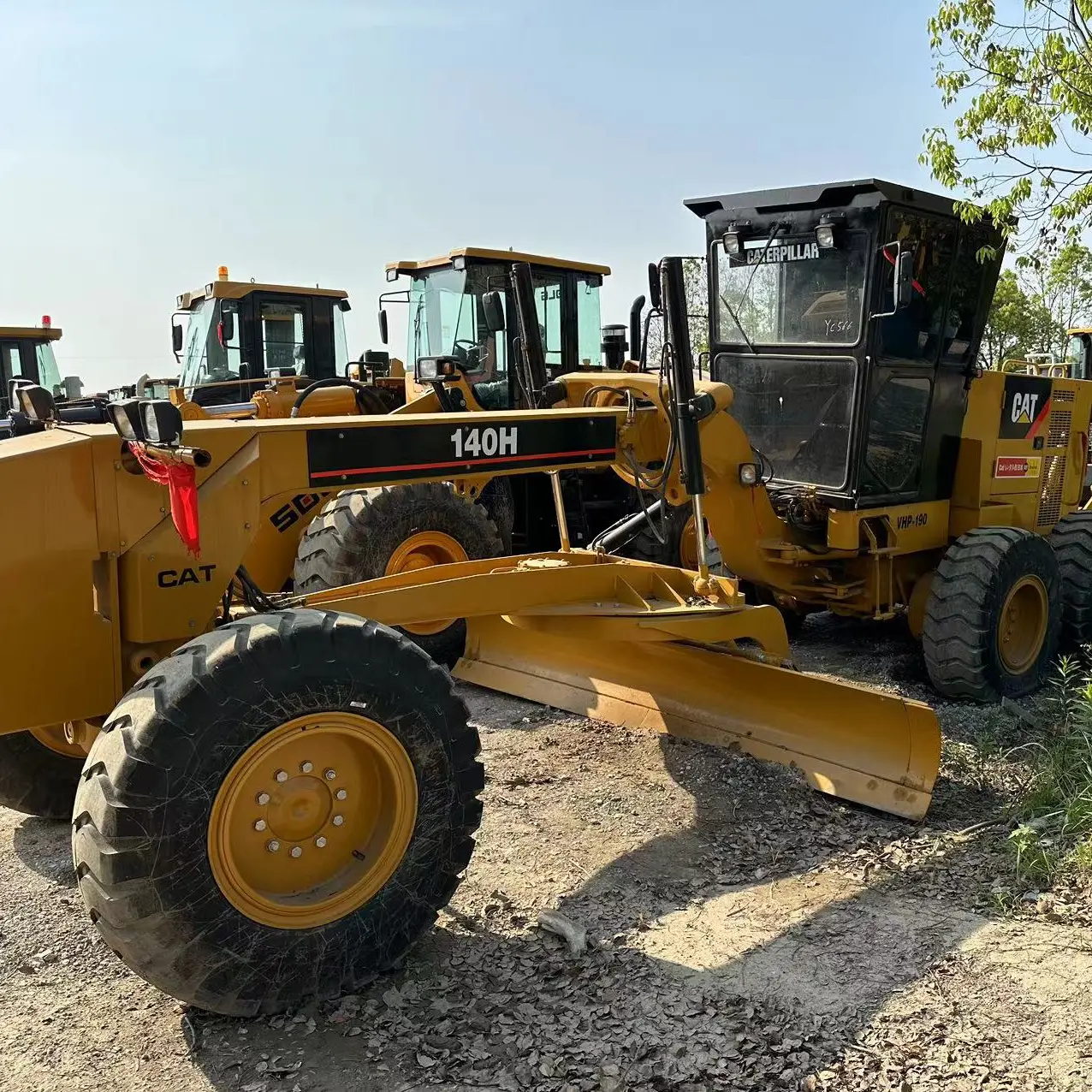
-
Fob Price
32,000$/Unit
-
Min. Order
1 Unit
-
-
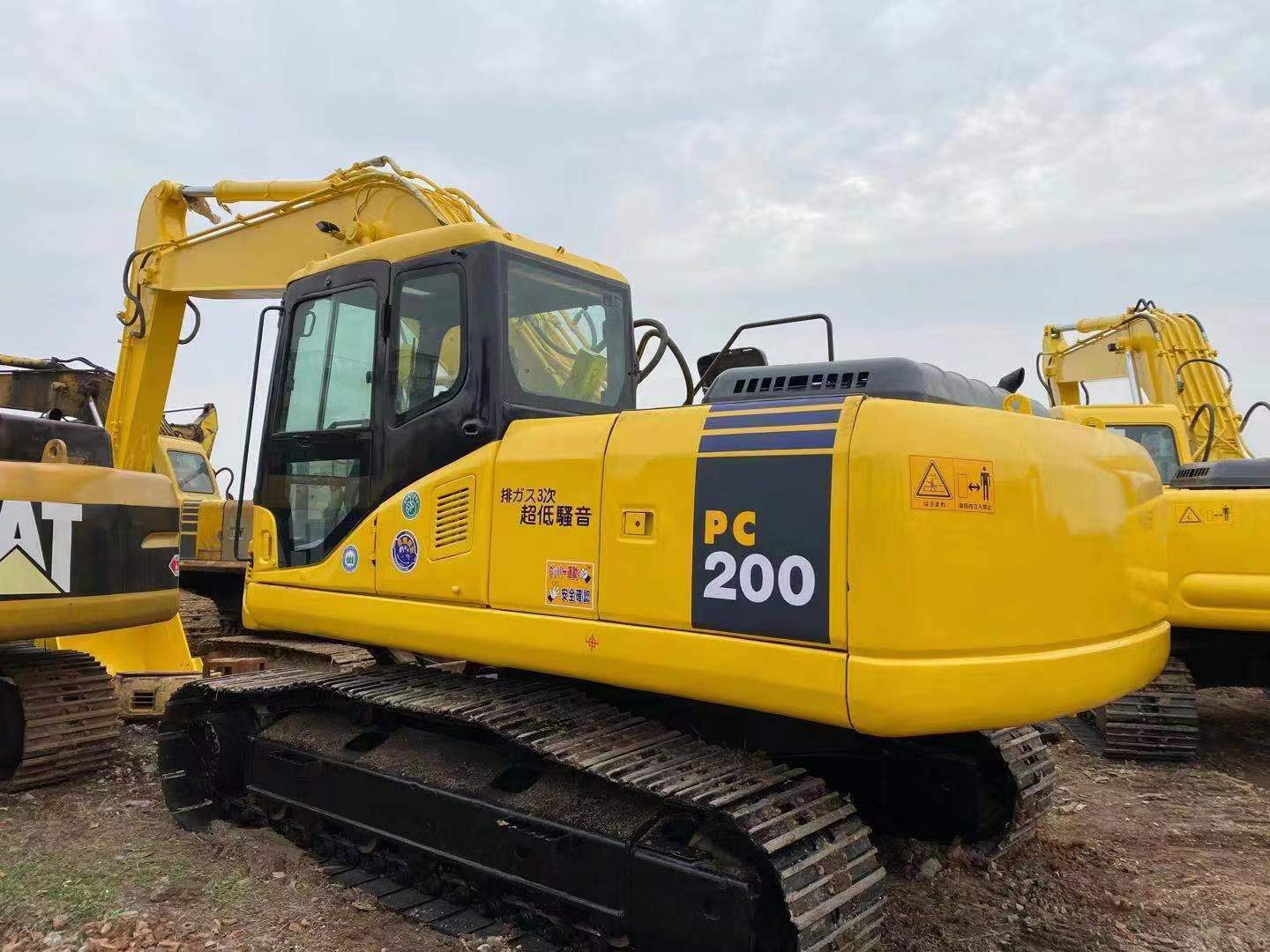
-
Fob Price
23,000$/Unit
-
Min. Order
1 Unit
-
-
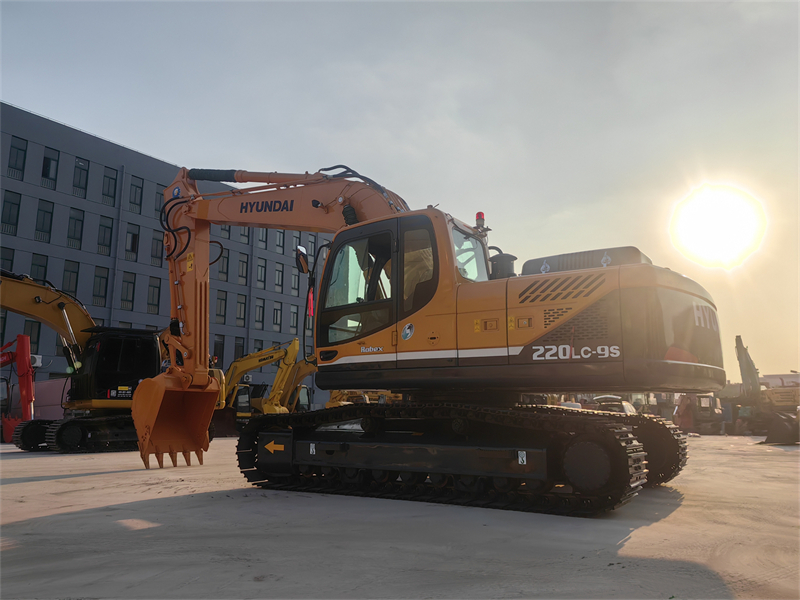
-
Fob Price
25,000$/Unit
-
Min. Order
1 Unit
-
-
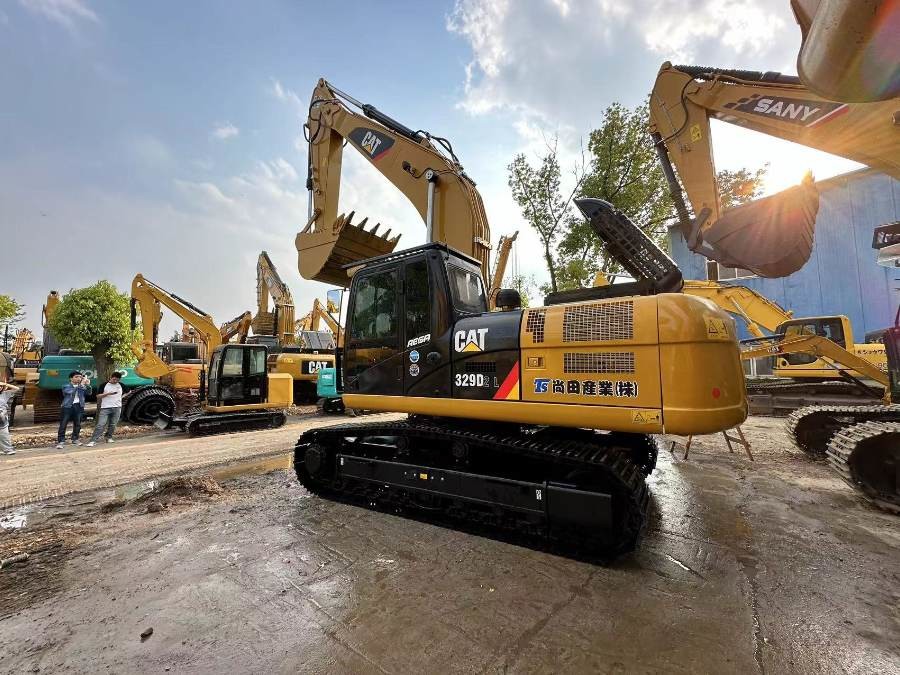
-
Fob Price
31,000$/Unit
-
Min. Order
1 Unit
-
-
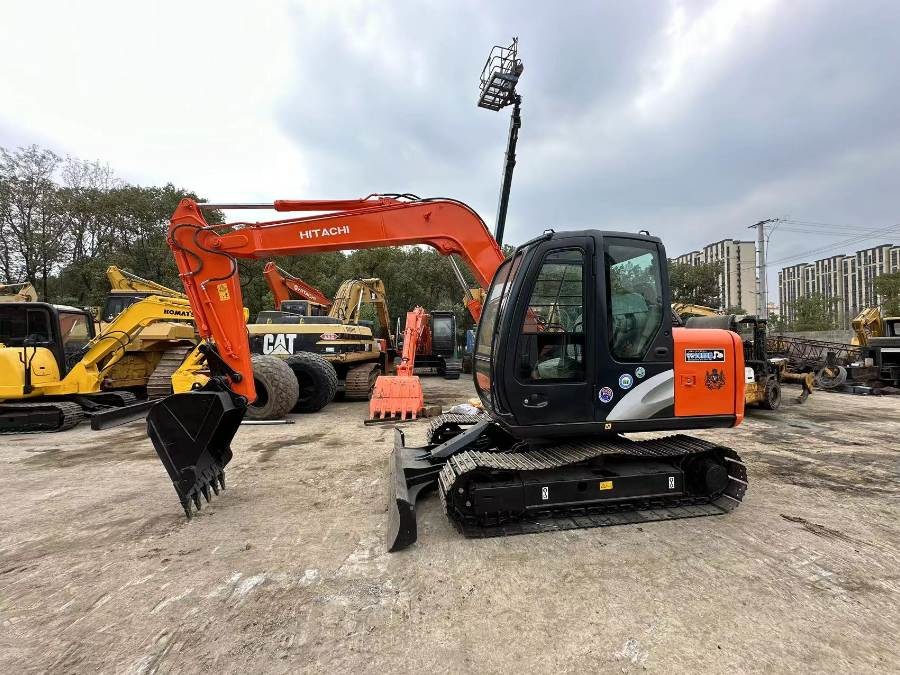
-
Fob Price
16,000$/Unit
-
Min. Order
1 Unit
-
-
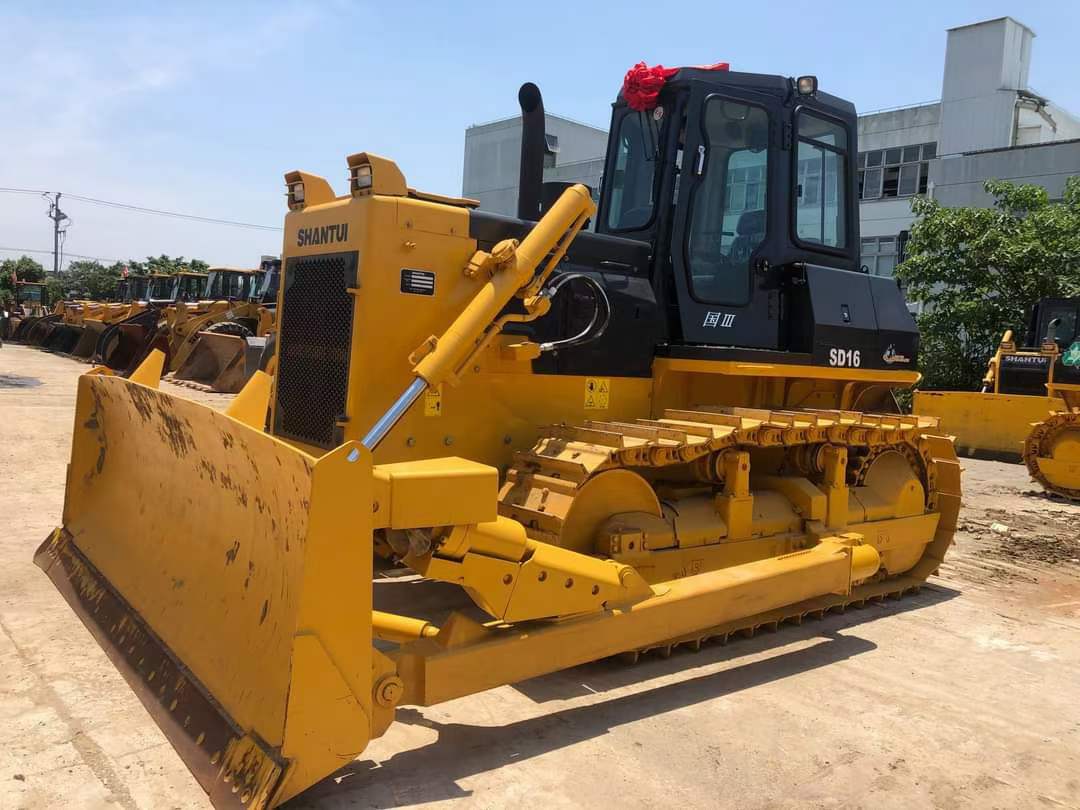
-
Fob Price
26,000$/Unit
-
Min. Order
1 Unit
-
-
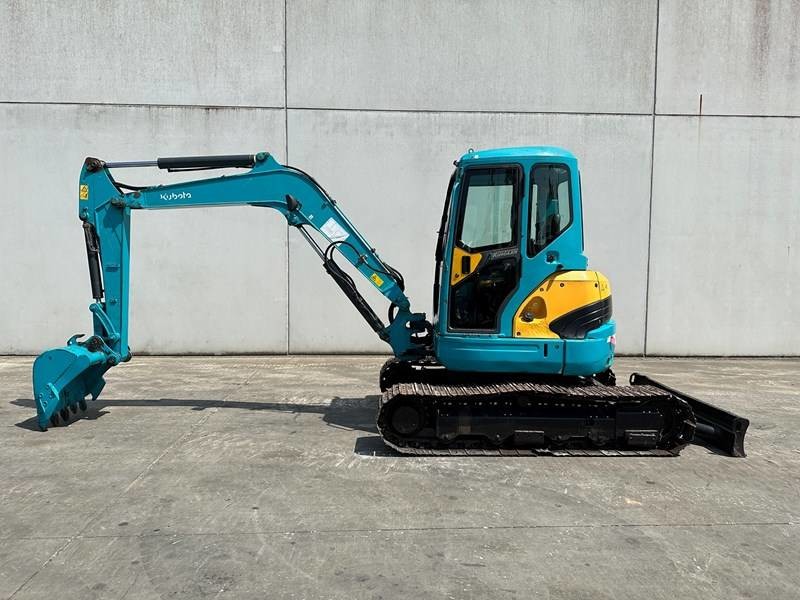
-
Fob Price
12,000$/Unit
-
Min. Order
1 Unit
-
-
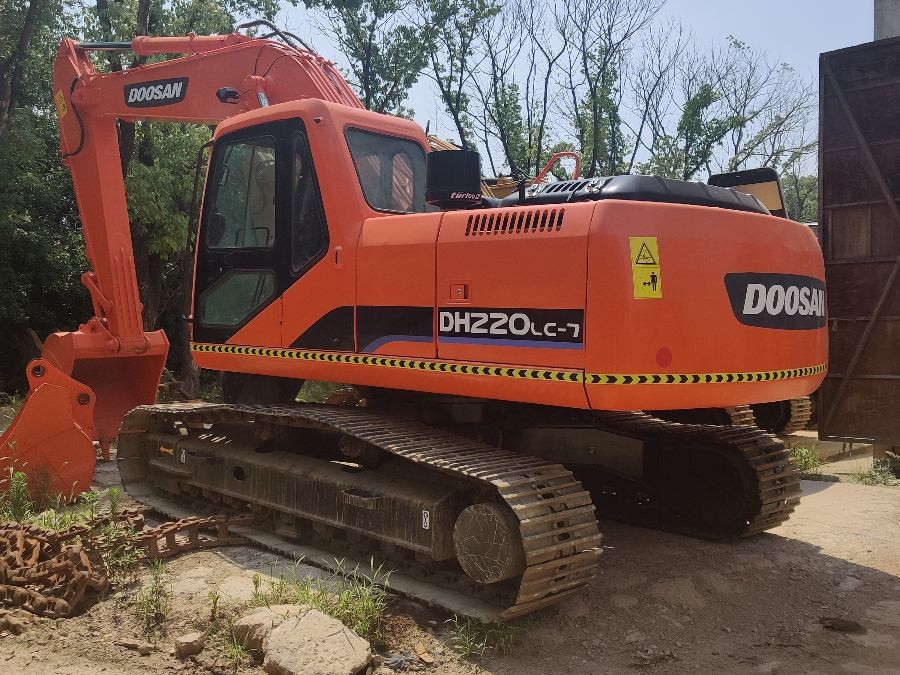
-
Fob Price
27,500$/Unit
-
Min. Order
1 Unit
-
Leave Us A Message