


Used Komatsu PC270 Inspection and Export Guide
Release time: 2026-09-07
A used Komatsu PC270 can be a practical choice when a contractor needs more digging reach, lifting stability and production capacity than a typical 20-ton excavator. However, buyers should compare the actual machine condition, configuration and transport plan instead of deciding from the model badge or exterior paint alone.
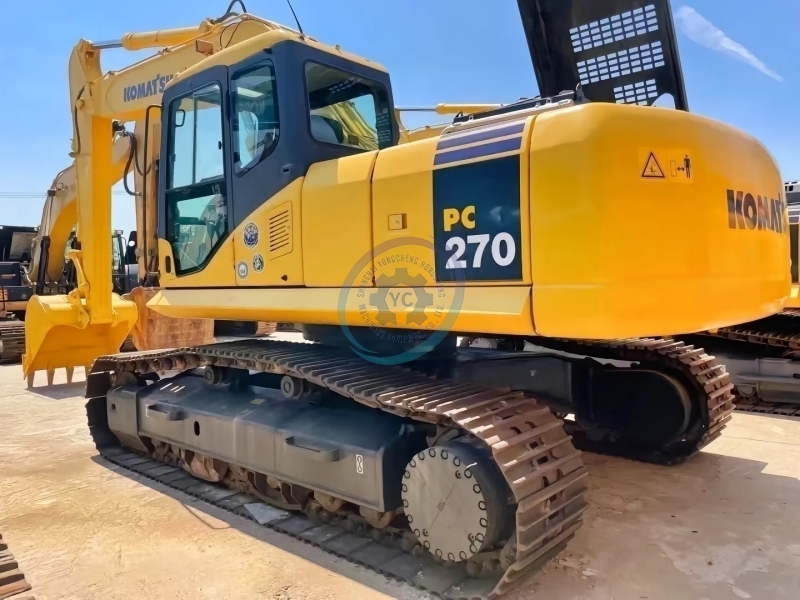
This guide explains the evidence to request before buying and exporting a used PC270. The machine shown is part of our current website inventory, but its exact identity, hours, configuration, attachments, inspection results and availability must be reconfirmed before payment.
Confirm machine identity and configuration
Begin with the identification plate, model designation and dashboard. These details should match the quotation and sales contract. Confirm the boom and arm arrangement, bucket, track width, auxiliary hydraulic lines, cab specification and any attachments included in the offer.
Market-specific machines can differ in engine arrangement, emissions equipment and available diagnostic support. Buyers should verify compatibility with destination-country import rules, fuel quality and local parts support.
Request a cold-start inspection video
A useful inspection starts before the engine has been warmed. Ask for one continuous video showing the engine compartment, exhaust, dashboard and startup. Observe cranking time, smoke, warning lights, idle stability, unusual sound and visible fluid leakage.
After startup, check the engine under load rather than only at idle. Excessive smoke, unstable speed, abnormal blow-by or temperature changes require further investigation. A short edited clip cannot replace a complete operating test.
Test hydraulics after the oil is warm
Hydraulic performance should be checked at operating temperature. Test boom raise, arm movement, bucket curl, swing and travel separately, then test combined movements. Look for delayed response, drift, vibration, unusual pump noise or one track moving differently from the other.
Inspect cylinder rods and seals, hose surfaces, fittings, the main control valve area, pump compartment, swing motor and travel motors. Fresh cleaning can hide a leak temporarily, so request close-up footage before and after the warm test.
Inspect boom, arm and frame structure
Review the boom foot, boom plates, arm, bucket linkage, upper-frame areas and undercarriage frame. Look for cracks, distortion, impact damage, misalignment and non-standard welds. Paint condition alone cannot establish structural integrity.
Bucket pins and linkage should be operated through their range while the camera shows movement at each joint. Excessive play can indicate pin, bushing or bore wear.
Evaluate the complete undercarriage
The undercarriage can materially change the total ownership cost of a crawler excavator. Ask for photos of both sides on firm, level ground. Check track shoes, pins and bushings, track links, carrier rollers, bottom rollers, idlers, sprocket teeth and track tension.
Uneven wear between the left and right sides may indicate operating conditions, adjustment or alignment issues. Measurements are more reliable than broad descriptions such as “good condition.” Our used excavator undercarriage inspection guide explains why this area deserves close attention.
Check cooling, service and electrical areas
Inspect radiator and cooler fins for blockage, bent sections, oil contamination and previous repair. Check coolant level, hoses, clamps and visible leaks. Run the machine long enough to confirm stable operating temperature.
Review batteries, wiring, connectors, filters and service access areas. Dashboard functions, lights, horn, air conditioning and safety devices should be demonstrated where fitted.
Match attachments to the planned work
Confirm the bucket type and capacity, coupler arrangement, breaker or auxiliary piping and any loose accessories. Attachment weight and hydraulic demand must suit the machine. Record every included item in the contract and packing list to avoid disagreement during loading.
Plan export shipping before final payment
Send the destination port when requesting a quotation. Machine dimensions, attachment arrangement, shipping route and destination rules influence whether container, flat rack, roll-on/roll-off or breakbulk shipping is suitable.
Confirm what will be removed for loading, how the bucket and loose parts will be secured and what reassembly may be required after arrival. Buyers can review the main cost components in our excavator shipping cost guide.
Documents and evidence to receive
- Machine identification photos and written configuration
- Cold-start and warm full-function videos
- Detailed exterior, structural and undercarriage photos
- Commercial invoice and packing list
- Included attachments and spare parts in writing
- Loading method, destination port and shipping scope
- Destination-country import and emissions confirmation
Request current Komatsu PC270 information
View the used Komatsu PC270 product page and send your destination port, required attachment and intended application. We can provide current availability, machine-specific photos, operating video, inspection information and a shipping estimate.
Sales WhatsApp: +86 180 1734 8066 / +86 153 0085 9658