


Used Bobcat S185 Inspection and Export Buying Guide
Release time: 2026-09-09
A used Bobcat S185 can be a practical machine for landscaping, farm work, material handling, site cleanup and compact construction projects. Its value, however, depends on the condition of the actual machine, attachment compatibility and the buyer's transport plan.
This guide explains how overseas buyers can inspect a used S185 before purchase. Exact identity, specifications, hours, attachments, condition and current availability should always be reconfirmed against the individual machine and written quotation.
Confirm the machine identity and specification
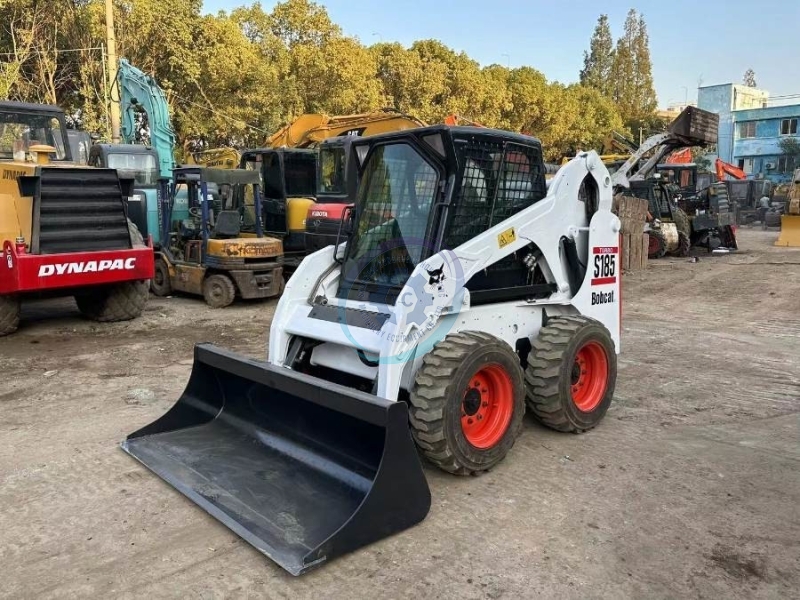
Begin with clear photographs of the identification plate, dashboard and model markings. Match the details to the quotation and sales contract. Confirm the bucket, quick-attach system, auxiliary hydraulic connections, tire size and every attachment included in the offer.
Do not rely only on exterior decals or paint. Machines with the same model name can have different options, histories and market specifications.
Request a genuine cold-start video
Ask the seller to film the machine before warming it. The video should show the engine compartment, exhaust, dashboard and startup in one continuous sequence. Observe cranking time, smoke, warning indicators, idle stability, abnormal sound and visible leaks.
Continue the test until the machine reaches normal operating temperature. Confirm that temperature remains stable and that no new engine, coolant or hydraulic leaks appear.
Test steering and both drive sides
Operate forward and reverse travel, gradual turns and counter-rotation in both directions. The left and right drive sides should respond consistently. Hesitation, weak travel, unusual noise or a tendency to pull to one side requires further investigation.
Inspect around the axles, wheel hubs and chaincase for leakage. Tire diameter and wear should be reasonably matched because large differences can affect traction and driveline loading.
Inspect lift arms, pins and structure
Check both lift arms, cross members, pivot points and mounting areas for cracks, distortion or non-standard weld repairs. Operate the arms through the full range while the camera shows movement at the pins and bushings.
Excessive movement can indicate worn pins, bushings or bores. Structural condition is more important than a clean paint finish.
Test bucket tilt and hydraulic performance
After the hydraulic oil is warm, raise and lower the arms, tilt the bucket and perform combined movements. Hold the attachment raised in a safe test position and watch for abnormal drift. Listen for pump noise and check for vibration or delayed response.
Inspect cylinder rods, seals, hose surfaces, clamps and fittings. Auxiliary hydraulics should be demonstrated when the buyer plans to use a powered attachment.
Examine the quick-attach interface
The attachment plate experiences repeated load cycles. Check alignment, locking pins, contact surfaces, welds and visible wear. Demonstrate that both locks engage securely. Confirm that the buyer's planned attachments match the mounting interface, hydraulic flow and operating capacity.
Check tires and lower-frame areas
Review tread depth, sidewall cuts, repairs and rim condition on all four wheels. Inspect the belly area and lower frame for impact damage, accumulated material and leakage. Ask for photos from both sides rather than judging from one exterior view.
Verify cab controls and safety systems
Test the seat belt, restraint bar, parking brake, interlocks, horn, lights, gauges and alarms. Confirm that the loader cannot operate when the applicable safety system is disengaged. Check cab glass, door condition, steps and handholds.
Inspect cooling and service points
Radiator and cooler fins should be checked for blockage, bent sections, oil contamination and previous repair. Review coolant level, hoses, clamps, filters, batteries, wiring and visible service access areas. A complete warm operating test is essential when evaluating cooling performance.
Plan attachments and daily application
List the material, surface, travel distance and attachment required for the job. A compact loader is productive when its carrier, tires, hydraulic capacity and tool match the application. Record the included bucket and loose accessories in the contract and packing list.
Prepare export shipping before payment
Provide the destination port early. Confirm actual machine and attachment dimensions, weight, loading method and how loose parts will be secured. Container, flat rack, roll-on/roll-off and breakbulk options depend on the route and equipment dimensions.
Review the main cost items in our construction equipment shipping guide, and verify destination-country import and emissions requirements before final payment.
Buyer evidence checklist
- Identification plate and dashboard photos
- Continuous cold-start and warm operating video
- Drive, steering, lift, tilt and auxiliary hydraulic tests
- Close-ups of pins, cylinders, hoses and quick-attach plate
- Four-tire and lower-frame inspection
- Written list of included attachments and parts
- Commercial invoice, packing list and loading plan
Request current Bobcat S185 information
View the used Bobcat S185 product page. Send the intended application, required attachment and destination port to receive current availability, machine-specific photos, operating video and a shipping estimate.
Sales WhatsApp: +86 180 1734 8066 / +86 153 0085 9658