

| Working Hours: ≥hours |
| Year: |
| Brand: Products |
| Shipping: Bulk cargo / Container/Flat Rack |
Used Excavator Boom and Arm Inspection: Cracks, Welds and Pin Wear
Why Choose Us
We have a strong mechanical team to ensure that all machines are well maintained, of high quality, and
100% original.
Spare parts are available, the most suitable for your machine.
We offer almost all types of second-hand construction machinery in good condition and at low prices.
Product Introduction
| Working Hours: ≥hours |
| Year: |
| Brand: Products |
| Shipping: Bulk cargo / Container/Flat Rack |
Why the front structure needs careful inspection
The boom, arm, bucket and linkage transfer every digging load into the upper structure. Normal cosmetic wear is expected on a used excavator, but cracks, distorted plates, poor weld repairs or excessive joint play can create substantial repair cost and safety risk. A clean paint finish should never replace a close structural inspection.
Prepare the machine safely
Park on firm, level ground with enough light and space. Lower the attachment before entering any inspection area and follow the manufacturer's lockout procedure. Never stand beneath a raised boom or between moving components. Use a qualified operator when joint movement must be observed under controlled load.
Inspect high-stress areas
Clean enough dirt to see the steel around boom foot mounts, boom cylinder brackets, the boom-to-arm joint, arm cylinder mounts, bucket linkage bosses and lifting-eye areas. Look for fine lines in paint, rust bleeding from a line, flaking coatings and fresh grinding marks. Use strong side lighting because a crack can disappear when viewed straight on.
Evaluate weld repairs
A repaired weld is not automatically unacceptable, but the reason, method and quality matter. Compare both sides for symmetry. Warning signs include uneven beads, undercut, porosity, abrupt reinforcement plates, incomplete paint coverage and cracking beside the repair. Ask for repair records and consider non-destructive testing when the area carries major load.
Check boom and arm alignment
View the front equipment from the front and rear on level ground. Look for twisting, bowed plates or a bucket that does not sit square. Compare gaps at joint bosses. Uneven wear may come from bent structure, worn pins, damaged bushings or incorrect assembly, so identify the actual source before estimating repairs.
Measure pin and bushing play
Have the operator apply small, controlled movements while you observe each joint from a safe position. Separate vertical or side play at the boom foot, boom-to-arm joint, bucket pin and linkage. Movement at the bucket tip can be amplified through several worn joints; record where the play starts instead of judging only the final movement.
Inspect the bucket and linkage
Check the cutting edge, teeth, adapters, side cutters, bucket floor, side plates and hinge bosses. Heavy wear may be normal for the application, but torn steel, spreading at the ears, loose adapters and repeated patching affect immediate readiness. Confirm that the bucket size and attachment match the machine and intended work.
Buyer evidence checklist
- Close photos of every major pivot and cylinder bracket.
- Wide front and rear views showing boom and arm alignment.
- Video of controlled joint-loading tests.
- Detailed images and records for every structural repair.
- Measurements of important pin clearances when wear is suspected.
Combine structural findings with other systems
Joint play and slow attachment response can have different causes. Compare the result with our hydraulic cylinder inspection guide and complete used excavator checklist. Browse current used Caterpillar excavators and used Komatsu excavators.
For close-up condition photos, test videos and export support, contact YCHS Machinery.
Structural inspection and repair decisions should be handled by qualified personnel using the manufacturer's limits.
Tags:
used excavator boom inspection excavator arm cracks excavator pin wearrelated products
-
-
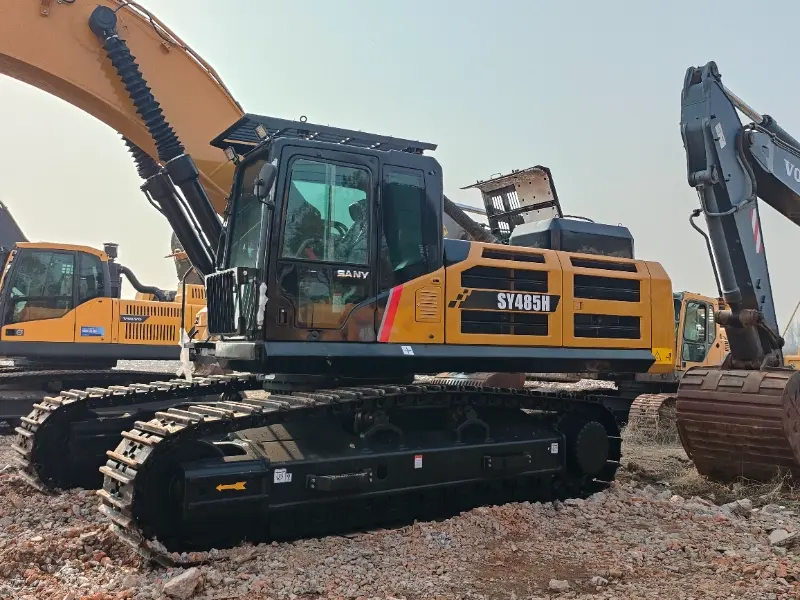
Fob Price
48,000$/Unit
-
Min. Order
1 Unit
-
-
-
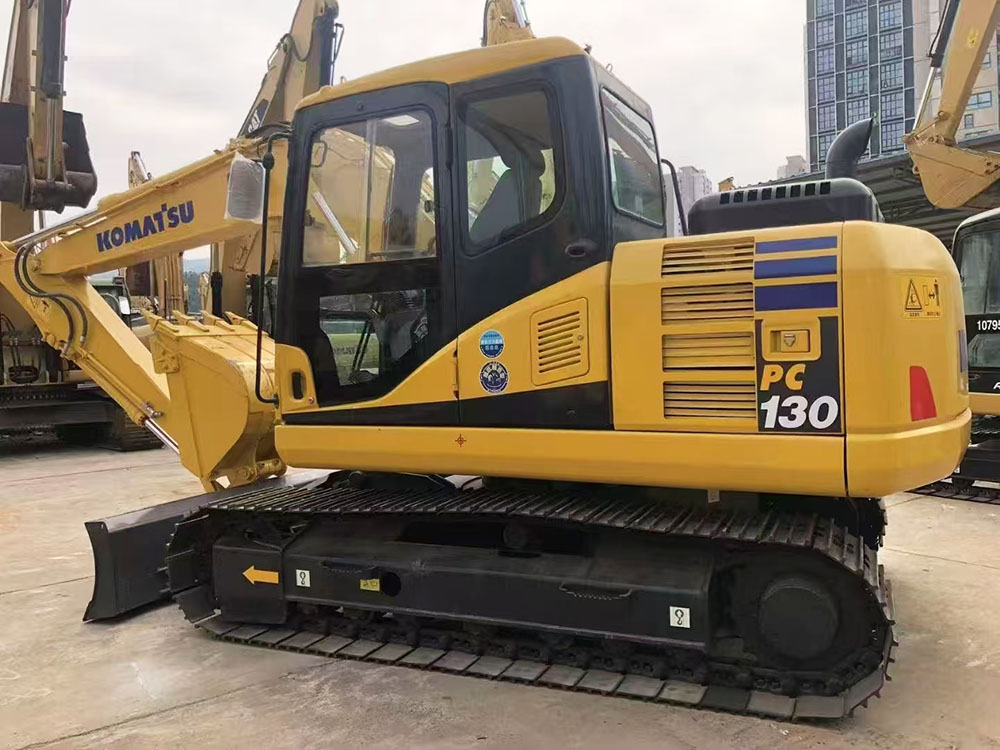
Fob Price
20,000$/Unit
-
Min. Order
1 Unit
-
-
-
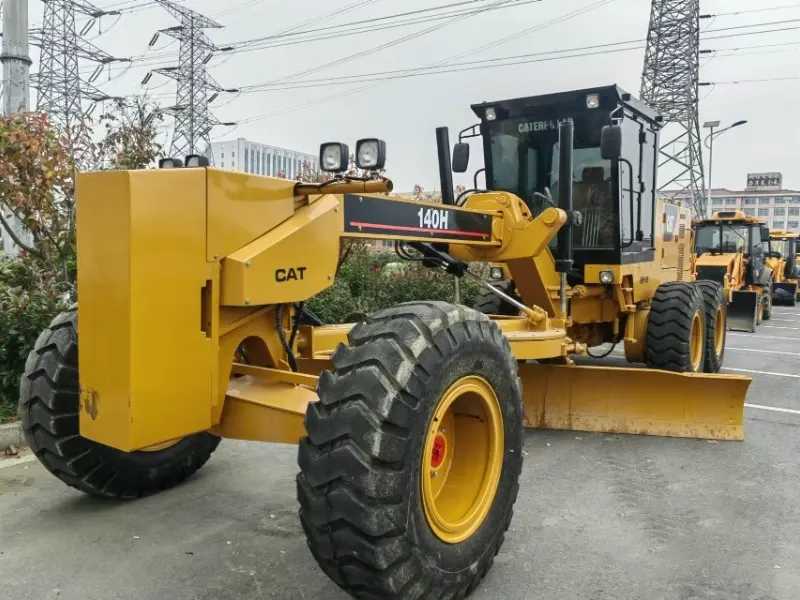
Fob Price
35,000$/Unit
-
Min. Order
1 Unit
-
-
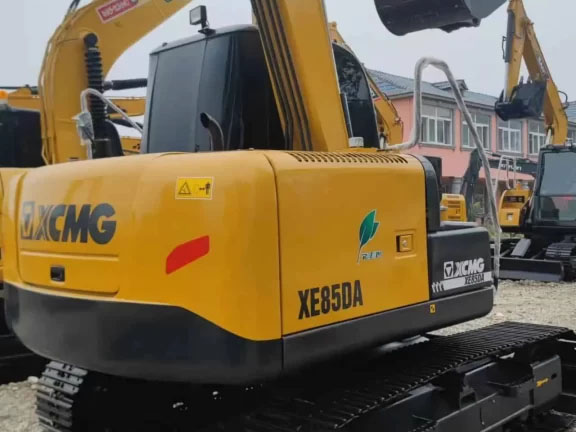
-
Fob Price
13,000$/Unit
-
Min. Order
1 Unit
-
-
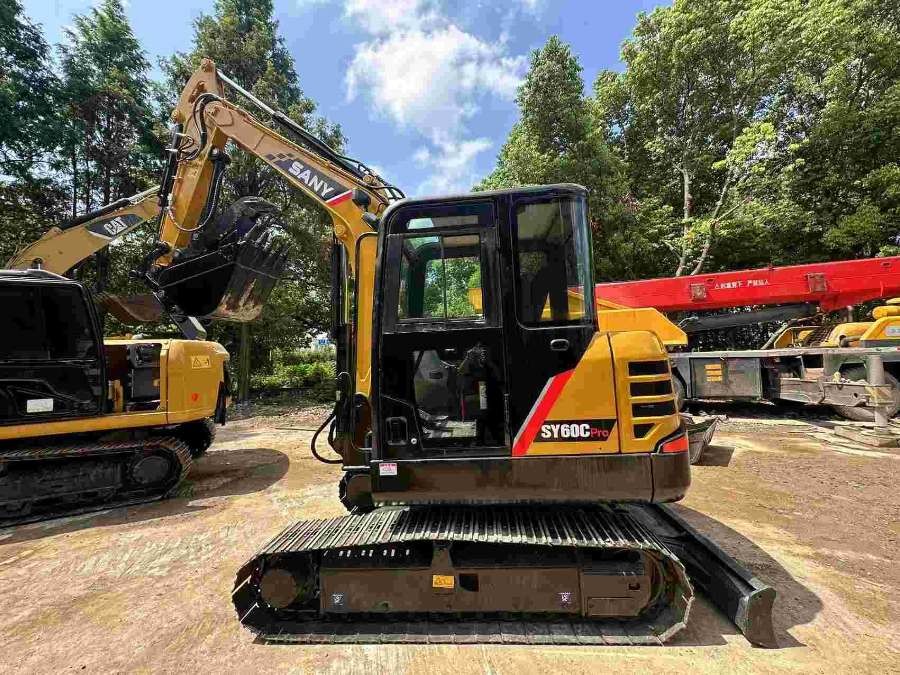
-
Fob Price
13,000$/Unit
-
Min. Order
1 Unit
-
-
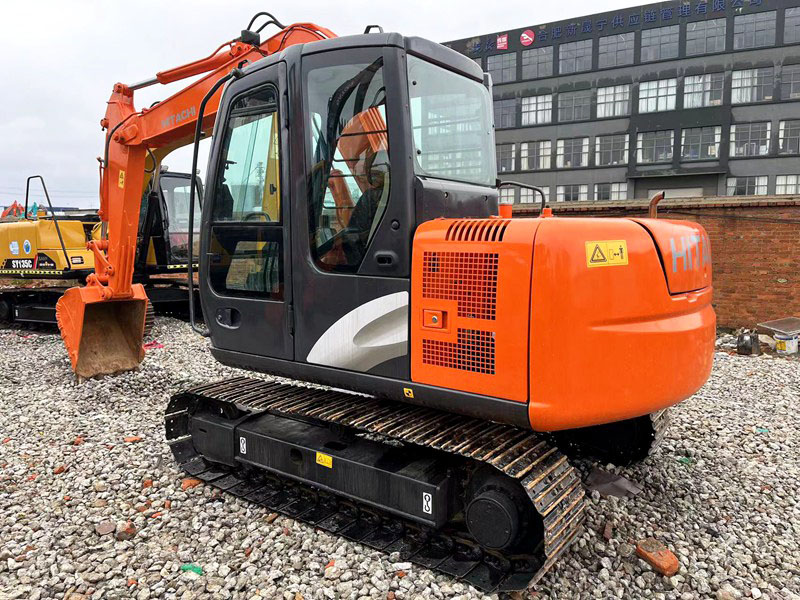
-
Fob Price
12,000$/Unit
-
Min. Order
1 Unit
-
-
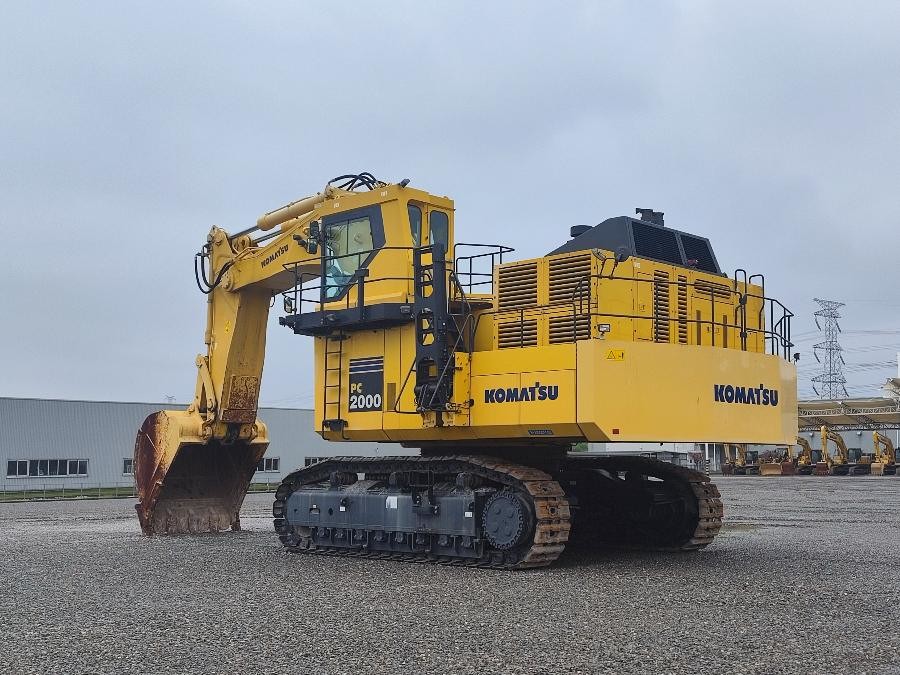
-
Fob Price
840,000$/Unit
-
Min. Order
1 Unit
-
-
-
Fob Price
24,000$/Unit
-
Min. Order
1 Unit
-
-
-
Fob Price
21,000$/Unit
-
Min. Order
1 Unit
-
-
-
Fob Price
22,000$/Unit
-
Min. Order
1 Unit
-
Leave Us A Message