


Used Hitachi ZX200 Inspection and Export Buying Guide
Release time: 2026-09-09
The Hitachi ZX200 sits in a widely used excavator size class for earthmoving, utility work, foundations, road construction and truck loading. A buyer should still evaluate the actual machine rather than rely on model reputation, paint condition or a short idle video.
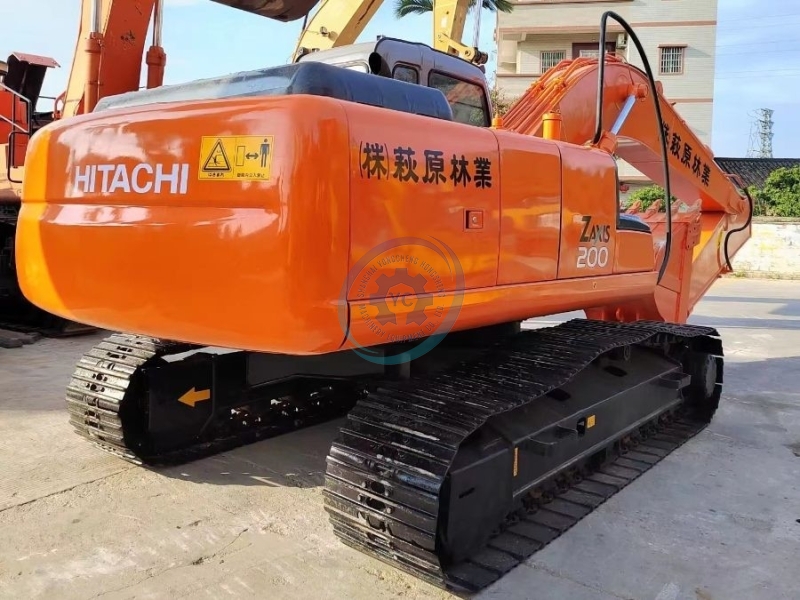
Begin with machine identity and configuration
Photograph the identification plate, model markings and monitor. Match them with the quotation, commercial invoice and sales contract. Confirm the bucket, coupler, auxiliary hydraulic lines and every loose attachment included in the sale. The indicated hours should be supported by the monitor and inspection evidence rather than treated as the only measure of condition.
See the current used Hitachi ZX200 product page. The listing provides current reference information; exact identity, hours, configuration, condition and availability must be reconfirmed for the selected machine before payment.
Request a continuous cold-start inspection
A useful video begins before the engine is started. Ask the operator to show the engine compartment, exhaust and monitor in one continuous recording. Observe cranking time, smoke color and duration, warning lights, idle stability, abnormal noise and visible oil, fuel or coolant leakage.
Do not base the decision on a warm restart. Some starting, smoke and fuel-system problems are much easier to identify when the machine has not been operated earlier that day.
Inspect the engine after warm-up
Run the engine through low, medium and working speed. Check for irregular sound, excessive vibration, blow-by, unstable speed and changes under hydraulic load. Inspect hoses, belts, wiring, filters and fluid areas. After the operating test, open the service panels again and look for fresh leakage.
Test hydraulic functions at operating temperature
Test boom raise, stick movement, bucket curl, swing and travel separately, then repeat combined movements. Watch for hesitation, vibration, weak response, unusual pump noise and excessive engine-speed drop. Oil temperature matters because leakage and weak performance may become more apparent after warm-up.
Inspect cylinder rods for scoring, corrosion and leakage. Check hose connections, the main pump area, valve area, swing motor and center joint. A clean component can still require testing under load.
Check boom, stick and bucket linkage
View the boom and stick from both sides in good light. Inspect welds, plate edges, cylinder mounts and high-stress areas for cracks, distortion and non-standard reinforcement. Cycle the bucket linkage and show pin and bushing movement at close range.
Record the bucket type and condition. If a breaker, grapple, quick coupler or other attachment is required, confirm hydraulic compatibility and put the included equipment in writing.
Evaluate swing performance
Rotate left and right through a complete working range. Listen for knocking, grinding or irregular sound. Stop and reverse direction several times on firm, level ground. Check for leakage around the swing motor and bearing area. Movement should be investigated across the boom-base pins, upper structure and swing system rather than assigned to one component without diagnosis.
Compare both travel sides
Drive forward and reverse, then turn in both directions. Compare left and right travel speed and response. Ask the camera operator to film the tracks and ground during this test. Unequal travel, weak turning or abnormal final-drive noise requires further inspection.
Measure undercarriage condition
Inspect track shoes, links, pins and bushings, top rollers, bottom rollers, idlers, sprocket teeth and track tension on both sides. Look for uneven wear, cracked shoes, seized rollers and oil leakage. Undercarriage replacement can materially change the real acquisition cost, so distant exterior photographs are not enough.
Review cooling performance
Inspect the radiator, hydraulic oil cooler and air-conditioning condenser from both sides with the machine safely stopped. Look between stacked cores for packed dust, mud, oil contamination and bent fins. During a warm operating test, confirm stable temperature and fan performance.
Match the machine to the intended job
Tell the supplier the material, digging depth, lift requirement, working surface, daily travel distance and attachment plan. This helps determine whether the selected ZX200 configuration and bucket suit the application. It also prevents a buyer from choosing a machine only by operating weight or brand name.
Plan export shipping before final payment
Provide the destination port early and request actual dimensions and weight for the selected machine and attachments. Confirm which parts will be removed, how hoses and cylinder rods will be protected, where the bucket will be placed and how loose parts will be secured. Container, flat rack, roll-on/roll-off and breakbulk options depend on the route and actual cargo dimensions.
Review the main freight and preparation items in our excavator shipping cost guide. Buyers must also verify destination-country import, emissions and documentation requirements before payment.
Evidence checklist before purchase
- Identification plate, monitor and model markings
- Continuous cold-start and warm-operation videos
- Individual and combined hydraulic function tests
- Left and right swing and travel tests
- Close-ups of boom, stick, bucket linkage and cylinders
- Both sides of the complete undercarriage
- Cooling pack, engine compartment and service areas
- Written list of attachments and loose parts
- Actual dimensions, weight and loading plan
- Commercial invoice and packing list details
Frequently asked questions
Is a clean exterior enough to judge a used ZX200?
No. Paint and washing improve presentation but do not prove engine, hydraulic, structural or undercarriage condition. Use current close-up photographs and a complete operating test.
Should hydraulic performance be tested cold or warm?
Record the cold start, then perform the main hydraulic evaluation after the machine reaches a normal working condition. Some faults appear only as oil temperature rises.
What information is needed for a shipping estimate?
Provide the destination port, selected machine, actual dimensions and weight, bucket or attachment list and preferred loading method. The final method depends on route availability and cargo measurements.
Request current Hitachi ZX200 information
Send the intended application, required attachment and destination port. We can provide current machine-specific photos, operating video, condition information and an export shipping estimate.
Sales WhatsApp: +86 180 1734 8066 / +86 153 0085 9658