


CAT 320D Specifications and Performance
Release time: 2026-07-21
The CAT 320D is widely used for earthmoving, foundations, utilities, road construction and truck loading. Specifications can vary by serial number, production market and configuration, so buyers should verify the identification plate and actual machine rather than rely only on the model name.
This guide explains the main CAT 320D specifications buyers should confirm, how to inspect a used machine, and which maintenance evidence matters before export.
Confirm the exact CAT 320D configuration
Begin with clear photos of the identification plate, model markings and monitor. Match these details with the quotation, contract and commercial invoice. Confirm the bucket, coupler, auxiliary hydraulic lines and loose parts included in the sale. Engine arrangement, operating weight, dimensions and emissions equipment may differ between regional versions.
View the current used CAT 320D excavator listing. The listing is a starting point; exact identity, indicated hours, configuration, attachments, condition and availability should be reconfirmed for the selected machine before payment.
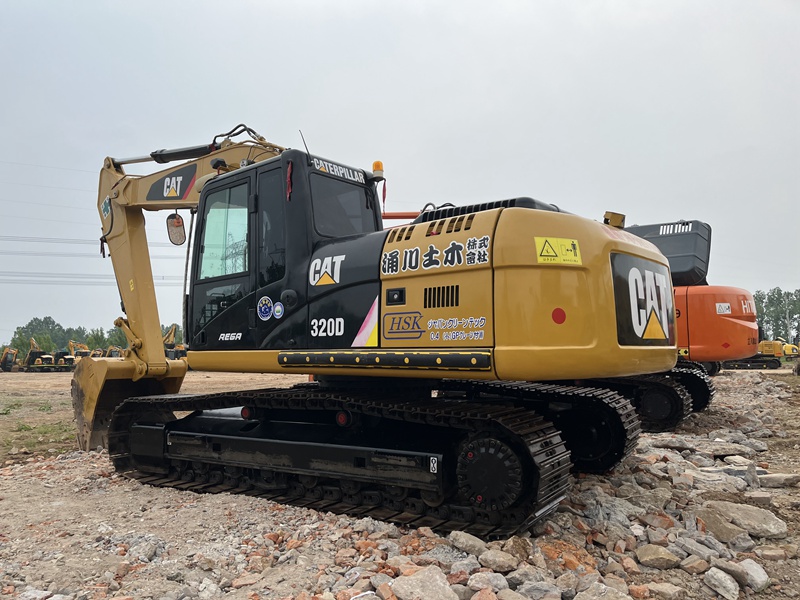
Cold-start engine inspection
Request one continuous video that begins before the first start of the day. The operator should show the engine compartment, exhaust and monitor before turning the key. Observe cranking time, smoke color and duration, warning indicators, idle stability, abnormal sound and visible oil, fuel or coolant leakage.
A warm restart cannot provide the same evidence. After the cold start, increase engine speed gradually and listen for irregular combustion, knocking or excessive vibration. Check the monitor for warnings and operating temperature.
Engine maintenance points
Inspect engine oil and coolant areas when it is safe to do so. Look at filters, hoses, belts, wiring and clamps for leakage, cracking, rubbing or non-standard repair. Service records are useful supporting evidence, but they do not replace current inspection and operating tests.
Excessive blow-by, persistent smoke, coolant loss or oil contamination requires further diagnosis. Avoid deciding the cause from one symptom alone because fuel, intake, cooling and engine condition can produce similar signs.
Hydraulic performance and maintenance
Warm the hydraulic oil before the main evaluation. Test boom raise, stick movement, bucket curl, swing and travel separately, then repeat combined movements. Watch for hesitation, vibration, weak response, unusual pump noise and excessive engine-speed drop.
Inspect cylinder rods for scoring, pitting and leakage. Check the main pump, control valve, swing motor, center joint and hose connections for fresh oil. Slow hydraulics do not automatically prove main-pump failure; filters, oil condition, control signals, relief settings, internal leakage and engine output also need diagnosis.
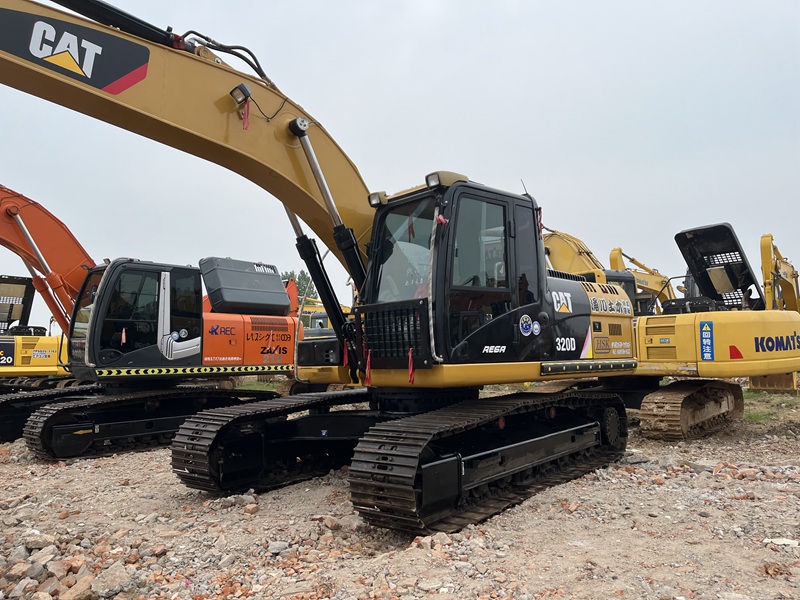
Boom, stick and bucket linkage
View the boom and stick from both sides in good light. Inspect welds, plate edges, cylinder mounts and other high-stress areas for cracks, distortion or non-standard reinforcement. Cycle the bucket linkage and show movement at the pins and bushings close up.
Confirm the bucket type, width and condition. If a breaker, grapple, coupler or other attachment is required, verify hydraulic compatibility and list every included item in the contract and packing list.
Swing system inspection
Rotate the upper structure left and right through a normal working range. Listen for knocking, grinding or irregular sound. Stop and reverse direction several times on firm, level ground. Check for leakage near the swing motor and bearing area.
Movement should be traced carefully. Boom-base pins, bushings, the upper structure and the swing bearing can all contribute to play, so do not assign the cause without a close inspection.
Travel and final-drive test
Drive forward and reverse in a straight line, then turn in both directions. Compare left and right travel response. Ask the camera operator to film the tracks and ground during the test. Unequal speed, weak turning or abnormal noise requires further checks of the travel motors, final drives, controls and undercarriage resistance.
Undercarriage condition
Inspect both sides of the complete undercarriage: track shoes, links, pins and bushings, top rollers, bottom rollers, idlers, sprocket teeth and track tension. Look for uneven wear, seized rollers, cracked shoes and oil leakage. Undercarriage replacement can materially change the real purchase cost.
Fresh paint does not show the remaining life of moving components. Request close-up photos with the machine parked on firm, level ground.
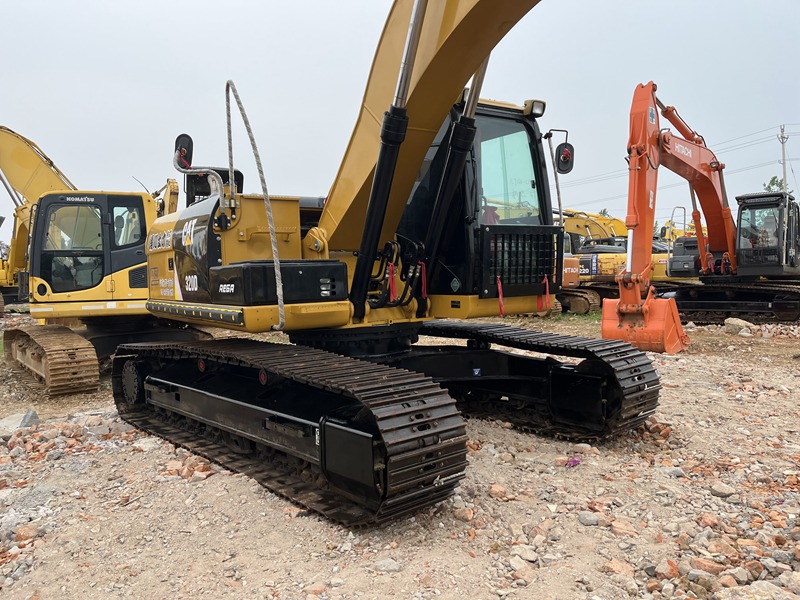
Cooling-system checks
Inspect the radiator, hydraulic oil cooler and air-conditioning condenser from both sides with the machine safely stopped. Look between stacked cores for dust, mud, oily debris and bent fins. Check hoses, clamps, coolant level and visible repair areas.
During a warm operating test, confirm stable temperature and fan performance. An excavator can look clean while airflow or coolant circulation is still restricted.
Cab, controls and safety equipment
Test the monitor, gauges, warning indicators, horn, work lights, wipers, travel alarm and air conditioning where fitted. Inspect the seat, control levers, pedals, windows, mirrors and access steps. Confirm that safety equipment required for the destination and jobsite is present and functional.
Daily maintenance priorities after purchase
Check engine oil, coolant, hydraulic oil and visible leakage before work.
Clean the cooling pack according to site dust and debris conditions.
Drain water and contamination from the fuel system as specified.
Grease boom, stick, bucket and coupler points at the required intervals.
Monitor track tension and inspect rollers, idlers and sprockets.
Repair hose rubbing, loose clamps and damaged wiring before they become failures.
Use the correct filters, fluids and service intervals for the verified serial-number configuration.
Compare price using total condition
Two CAT 320D excavators with similar paint can have very different values. Compare verified identity, engine and hydraulic performance, structural condition, undercarriage remaining life, attachments, service evidence and export preparation. Review our detailed used CAT 320D price and buying guide for the main quotation factors.
Prepare the machine for export
Provide the destination port early. Confirm actual dimensions and weight of the selected machine and attachments, which parts will be removed, how hoses and cylinder rods will be protected, and how the bucket and loose items will be secured.
Container, flat rack, roll-on/roll-off and breakbulk choices depend on route availability and cargo measurements. See our excavator shipping cost guide, and verify destination-country import, emissions and documentation requirements before final payment.
Buyer evidence checklist
Identification plate, monitor and model markings
Continuous cold-start and warm-operation videos
Individual and combined hydraulic-function tests
Left and right swing and travel tests
Boom, stick, linkage and cylinder close-ups
Complete undercarriage photos from both sides
Cooling pack and engine compartment inspection
Written attachment and loose-parts list
Actual dimensions, weight and loading plan
Request current CAT 320D information
Send the intended application, required attachment and destination port. We can provide current machine-specific photos, operating video, condition information and an export shipping estimate.
Sales WhatsApp: +86 180 1734 8066 / +86 153 0085 9658